
Common RV Electrical Problems and How to Fix Them (with Expert Tips)
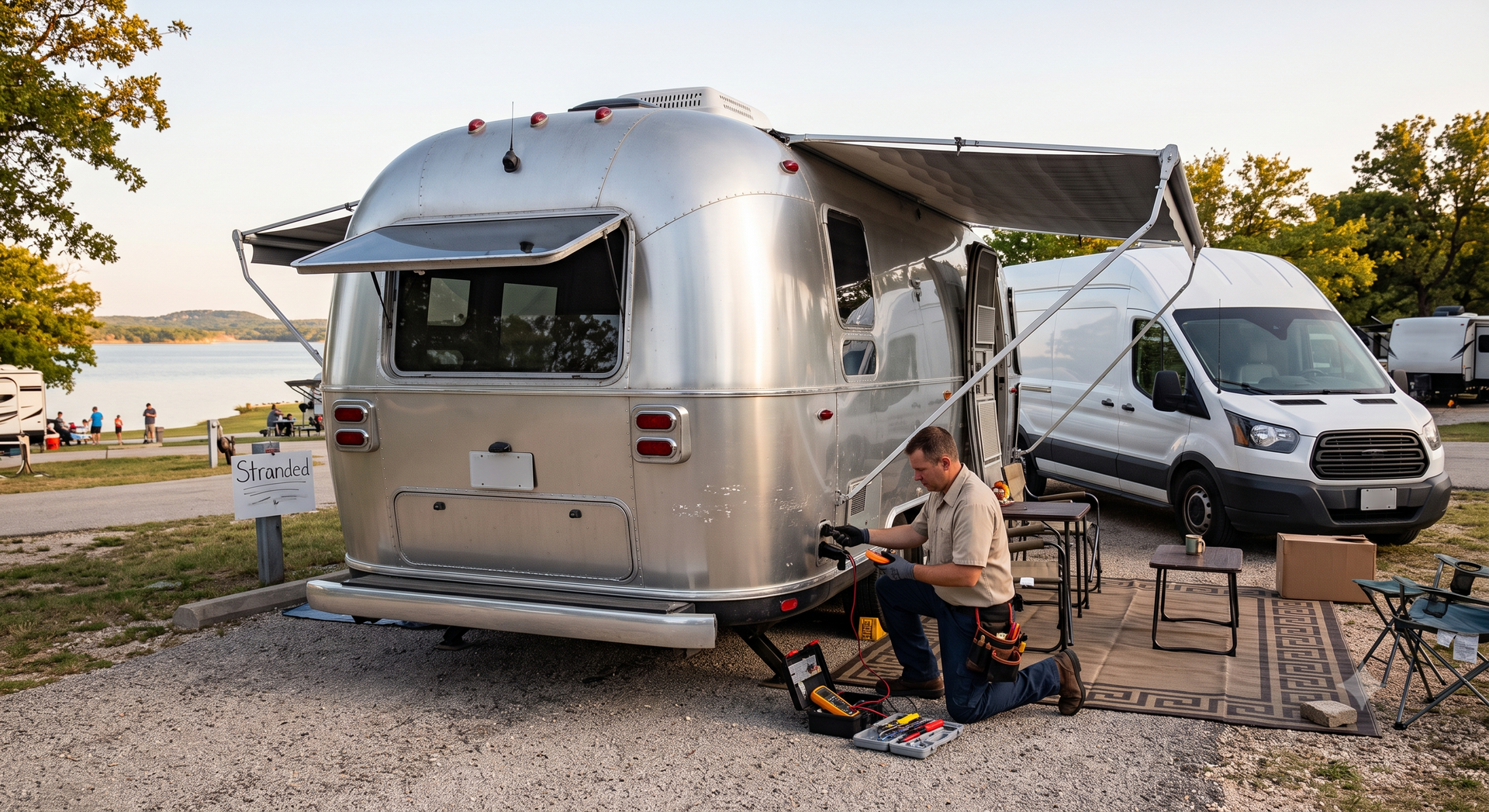
Owning an RV is all about freedom open roads, quiet campgrounds, and the ability to take your home anywhere. But nothing ruins a trip faster than electrical problems. Whether it's flickering lights, a dead battery, or an outlet that suddenly stops working, RV electrical issues are more common than most owners expect.
The good news? Many of these problems can be identified (and sometimes fixed) with a little knowledge and the right approach. Below, we break down the most common RV electrical issues, what causes them, and what you can safely troubleshoot on your own—plus expert tips to help you avoid costly repairs later.

1. Dead or Weak RV House Batteries
One of the most frequent complaints from RV owners is that their house batteries don’t hold a charge. This can affect everything inside the RV from lights and fans to the refrigerator and water pump.
Common Causes
- Overuse without recharging
- Corroded or loose battery connections
- Old or failing batteries
- Faulty converter not charging batteries properly
How to Fix It
- Clean battery terminals with a baking soda + water mix
- Check water levels (for lead-acid batteries)
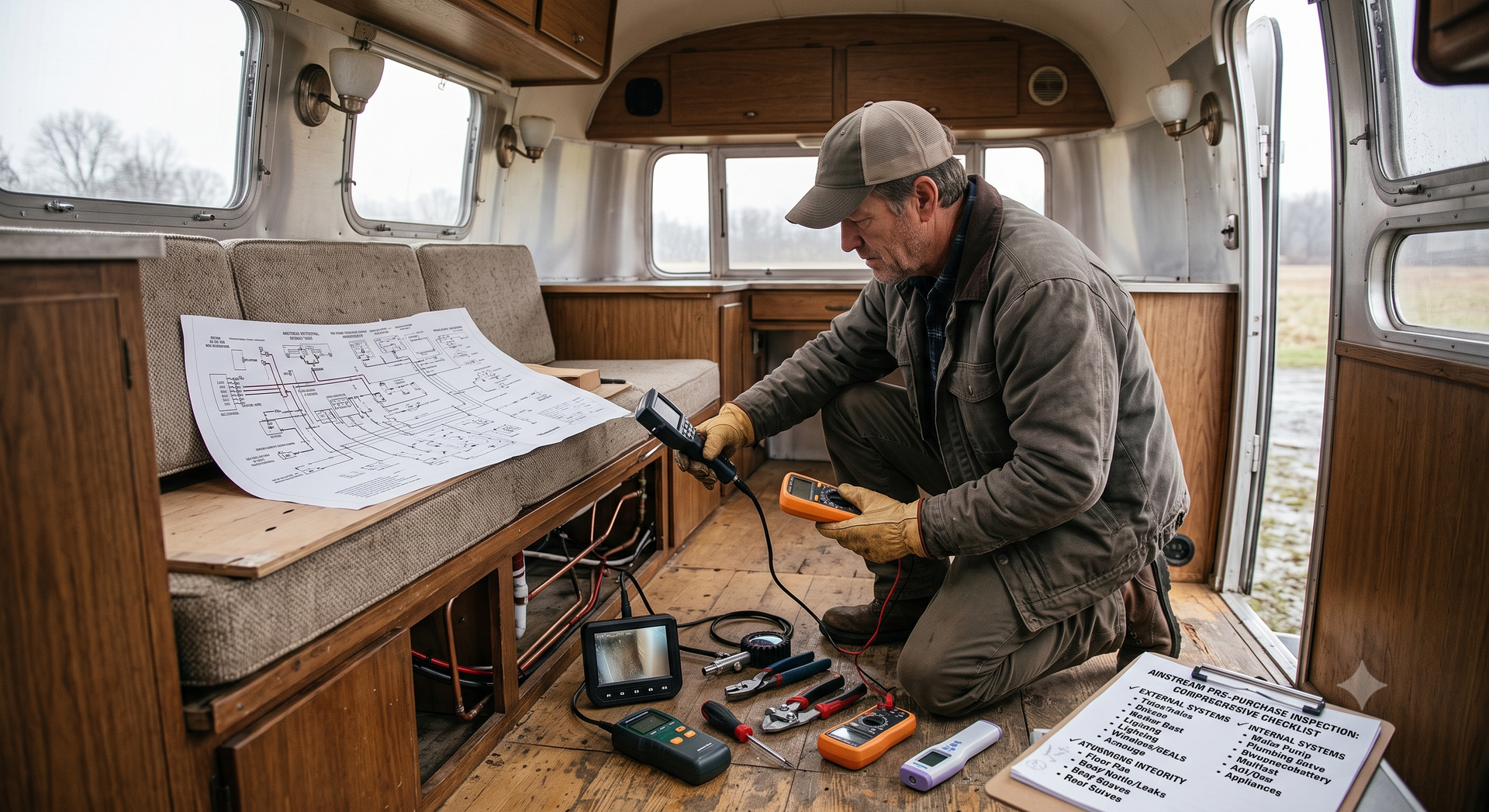
- Test voltage with a multimeter (12.4–12.7V = healthy)
- Replace batteries if they no longer hold charge
Expert Tip
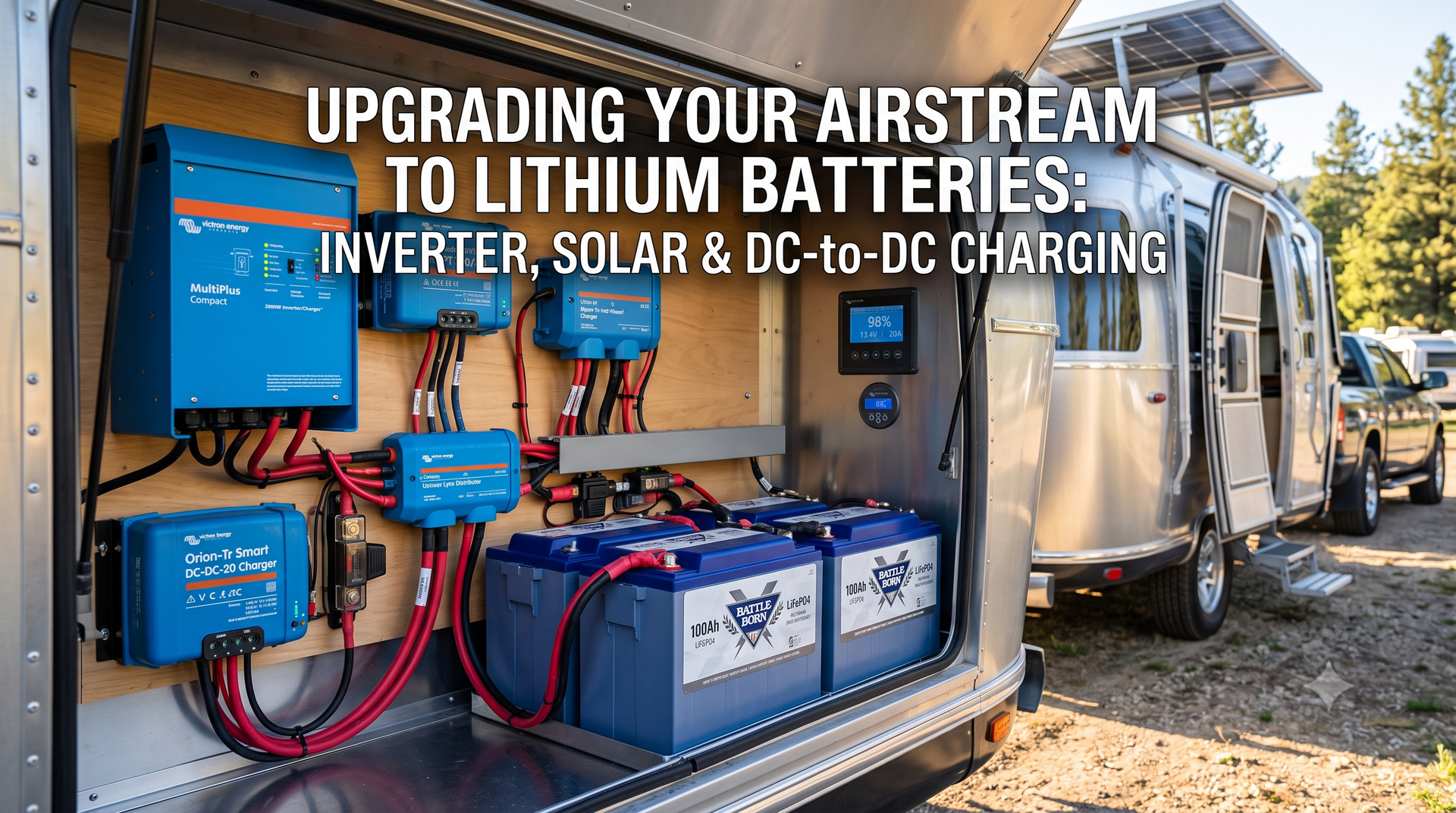
Upgrade to AGM or lithium batteries if you travel frequently—these offer longer life, better performance, and lower maintenance.
2. Flickering or Non-Working Lights
Interior lights that dim or flicker can be annoying, and they usually signal a deeper issue with the RV’s electrical system.
Common Causes
- Low battery voltage
- Loose wiring
- Bad connections behind fixtures
- Faulty converter or fuse
How to Fix It
- Check fuses first—they’re inexpensive and easy to replace
- Inspect wiring behind the light fixture
- Ensure your converter is charging properly
- Recharge or replace your batteries
Expert Tip
If lights only flicker when appliances cycle on and off, your RV may be drawing too much power. Use a power management system or upgrade your electrical setup.
3. Power Outlets Not Working
A dead outlet is usually tied to the GFCI (Ground Fault Circuit Interrupter) system—especially in RV bathrooms and kitchens.
Common Causes
- Tripped GFCI outlet
- Loose wiring
- Blown fuse or bad breaker
- Moisture buildup
How to Fix It
- Locate your main GFCI outlet and hit RESET
- Check the breaker panel for tripped switches
- Inspect the outlet wiring (if you’re comfortable doing so)
Expert Tip
Moisture is often the culprit. Keep outlets dry and install weather-resistant covers if you camp in humid climates.
4. Shore Power Not Working
Plugging into shore power should instantly bring your RV to life—but sometimes, nothing turns on.
Common Causes
- Faulty campground pedestal
- Damaged power cord
- Burnt plug ends
- Loose connections at the transfer switch (for RVs with generators)
How to Fix It
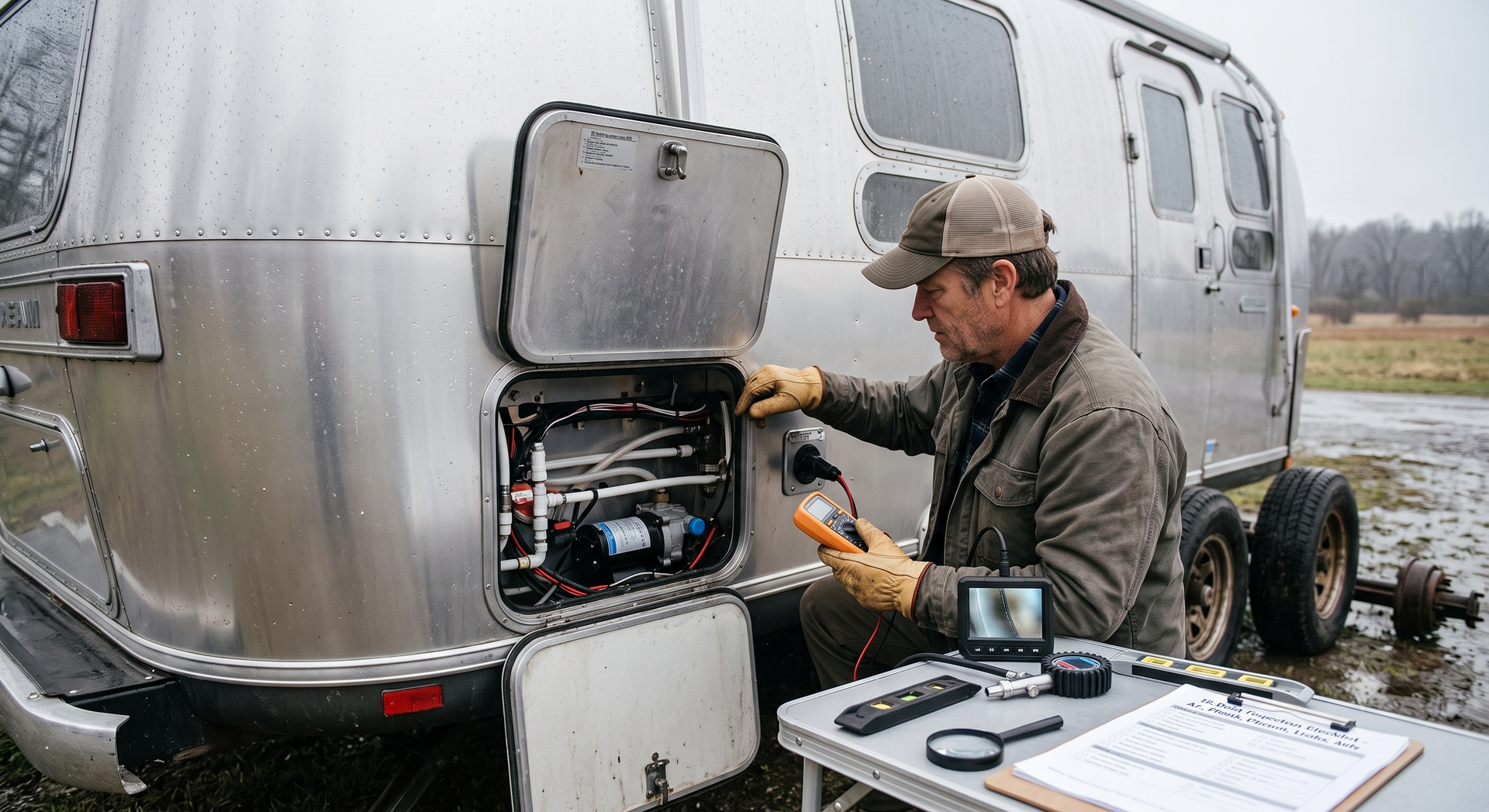
- Test the pedestal with a voltmeter
- Inspect your power cord for burns or melted ends
- Reset your main breaker inside the RV
Expert Tip
Always use a surge protector or EMS system. It protects your RV from voltage spikes and bad campground wiring two major causes of electrical failures.
5. Converter or Inverter Failure
Your converter turns AC shore power into DC power for your lights and appliances. Your inverter does the opposite turning battery power into AC power for things like TVs or microwaves.
When either one fails, you’ll see immediate signs.
Common Symptoms
- Batteries not charging
- Lights dimming or pulsing
- Appliances shutting off randomly
How to Fix It
- Check wiring connections to the converter/inverter
- Test output voltage with a multimeter
- Replace the unit if it’s not producing correct power
Expert Tip
Installing a smart converter keeps batteries healthier and extends their lifespan significantly.
6. Generator Won’t Start or Stay Running
Generators are lifesavers during off-grid camping—but only if they work.
Common Causes
- Low oil levels
- Old fuel
- Clogged air filter
- Faulty starter
How to Fix It
- Check oil and refill if needed
- Use fresh gasoline
- Clean or replace the air filter
- Inspect spark plugs
Expert Tip
Run your generator at least 1–2 hours per month to keep internal parts lubricated and prevent fuel system buildup.
When to Call an RV Electrical Expert
Some electrical issues should not be DIY unless you’re trained:
- Burning smells
- Melted wires or plugs
- Sparks or exposed wiring
- Repeated breaker trips
- Inverter/converter replacement
- Transfer switch problems
Electrical mistakes can cause fires or destroy expensive RV components. If you’re unsure, always rely on a certified RV technician.
Final Thoughts
RV electrical systems might seem complex, but most issues start with common causes: weak batteries, loose wiring, bad connections, or faulty components. Regular maintenance and inspections can save you from major repair bills and keep your travels stress-free.
If you want professional help diagnosing or repairing your RV electrical system, working with experts like Cross Country RV Solutions ensures your RV stays safe, reliable, and road-ready.