
Essential RV Maintenance Tips to Prevent Costly Repairs
Owning an RV means freedom the ability to pack up, hit the open road, and explore whenever the urge strikes. But that freedom comes with responsibility. Regular maintenance isn’t just about keeping your RV looking good; it’s about preventing small issues from turning into expensive repair bills down the road.
If you want your RV to run smoothly season after season, here are some essential maintenance tips every owner should keep in mind.
1. Give Your Roof Regular Inspections
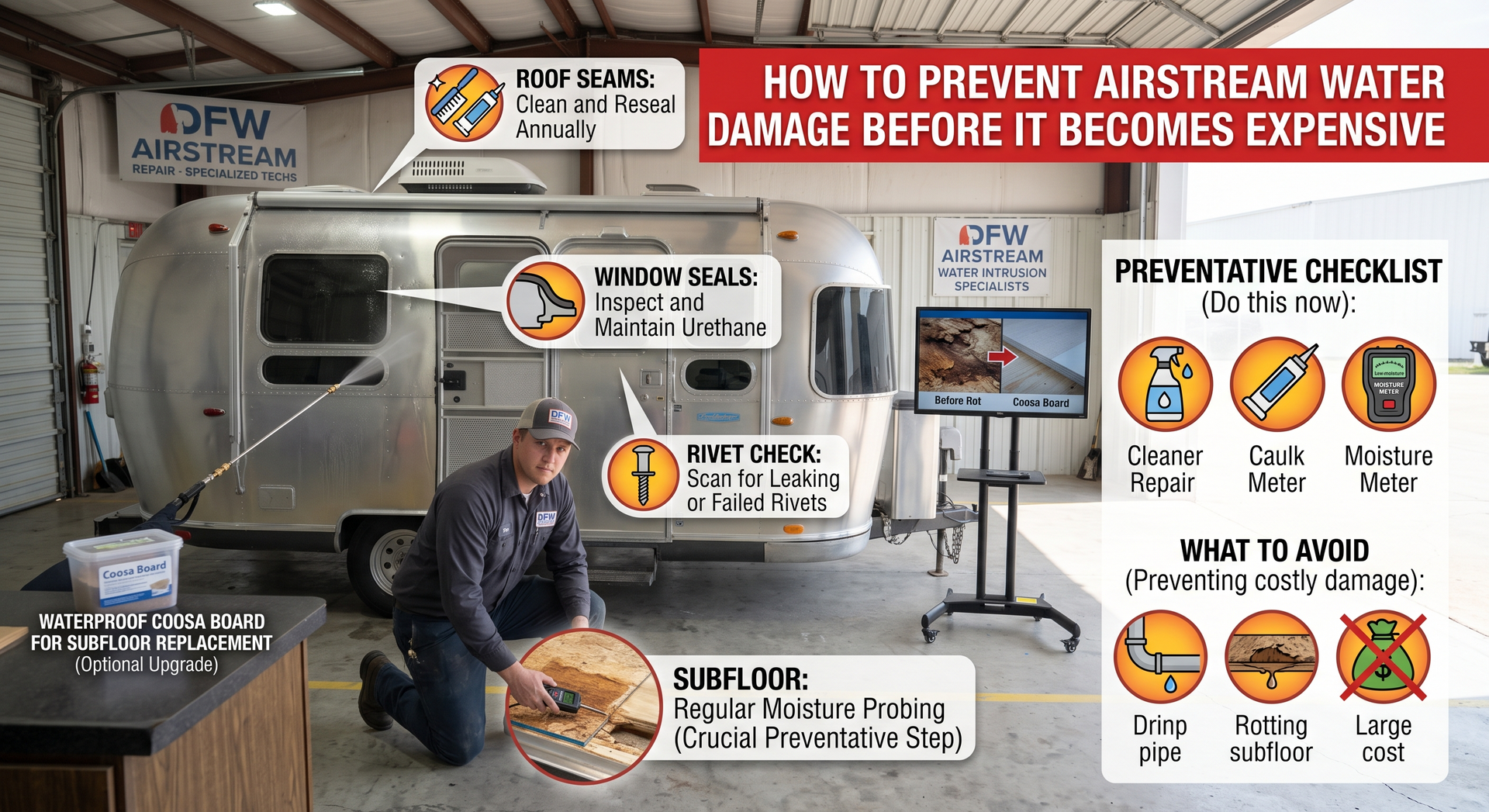
Your RV roof is your first line of defense against leaks, moisture damage, and mold. Because many RV roofs are made of rubber or lightweight materials, they’re more vulnerable to wear and tear than you might expect.
Check your roof at least every 3 months for:
- Cracks in sealant
- Soft or spongy areas
- Damage around vents or skylights
- Punctures from debris or branches
A small leak can go unnoticed until it’s caused major structural damage. Sealing and repairing early is much cheaper than a full roof replacement.
2. Don’t Ignore Your RV Batteries
An RV can have multiple batteries house batteries and engine batteries — and each one needs attention.
To extend battery life:
- Keep terminals clean and free of corrosion
- Check water levels in lead-acid batteries
- Fully charge batteries during long storage periods
- Avoid draining house batteries completely
A dead battery might seem like a minor problem, but replacing them sooner than necessary gets expensive.
3. Inspect Tires Before Every Trip
RV tires age faster than regular vehicle tires because of weight, exposure, and long periods parked in one spot.
Check for:
- Sidewall cracking
- Uneven tread wear
- Bulges or soft spots
- Proper inflation levels
Under-inflated tires overheat quickly, which can lead to dangerous blowouts on the highway — often causing body or suspension damage.
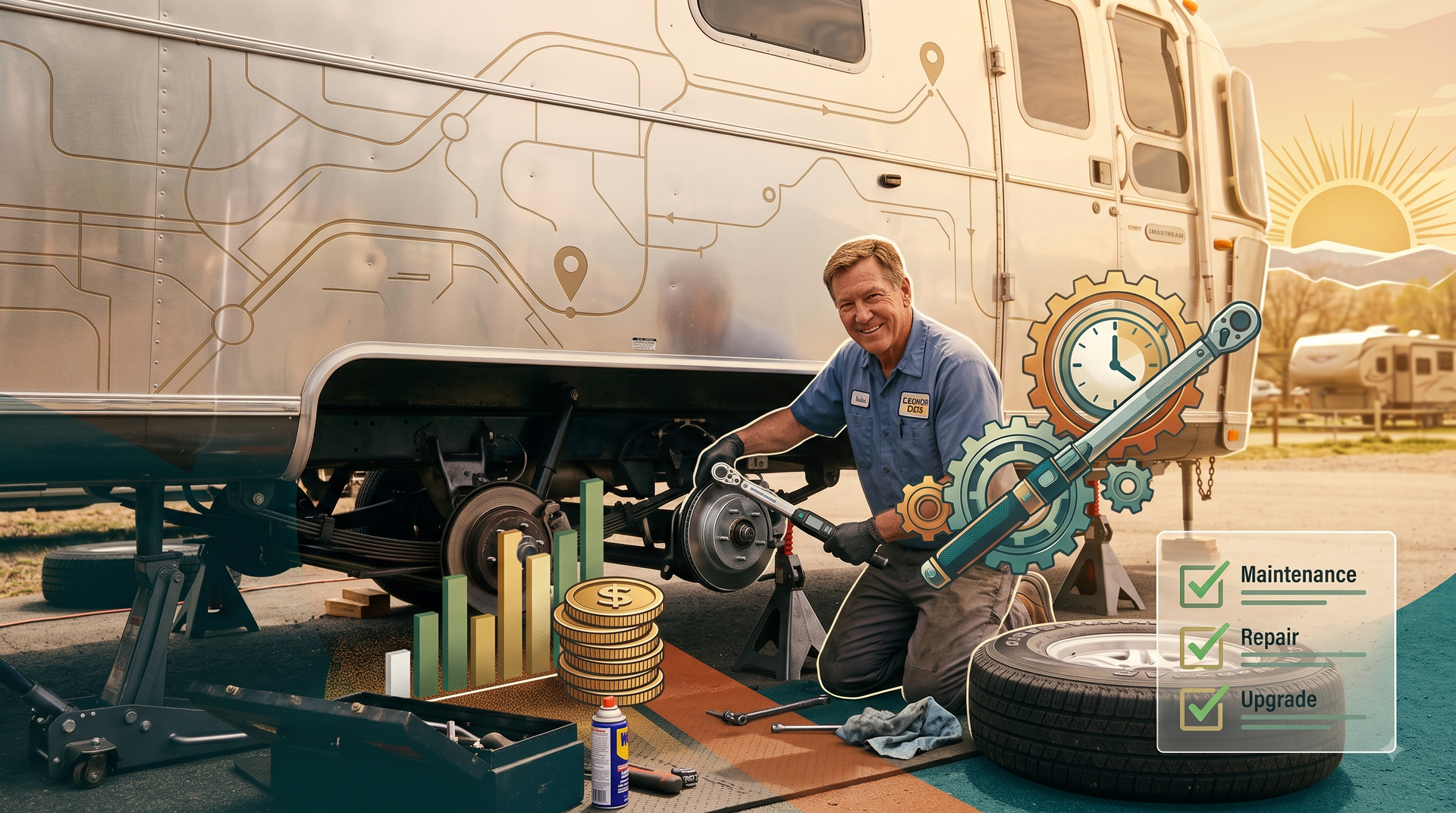
4. Keep Your RV Brakes in Top Shape
Because RVs are heavy, your brakes work much harder than those on a regular vehicle. Worn-out brakes can become a safety risk and cause damage to other components like rotors or bearings.
Have your brakes checked if you notice:
- Grinding or squealing
- Longer stopping distance
- Burning smells
- Vibration during braking
Routine brake inspections are inexpensive compared to the cost of replacing multiple components after neglect.
5. Maintain Your HVAC, Furnace & Water Heater
Comfort systems are often overlooked until they stop working — usually in the heat of summer or the dead of winter.
A few simple habits help avoid costly replacements:
- Change or clean AC filters regularly
- Flush your water heater annually
- Check furnace vents for blockages
- Inspect ductwork for leaks
Professional servicing once a year keeps everything running efficiently and safely.
6. Lubricate Slide-Outs & Check Seals
Slide-outs are amazing, but they also add moving parts that need care. If they’re not cleaned and lubricated, motors can burn out or tracks can bend.
Do this regularly:
- Lubricate gears and rails
- Clean dirt and debris from seals
- Inspect for tears or gaps
- Listen for unusual noises during operation
Slide-out repairs can get pricey, so preventive care saves a lot of money (and frustration).
7. Flush and Maintain Your RV Plumbing System
The plumbing system is another area that can cause surprise repair bills if neglected. Flushing your system prevents clogs, odors, and damage to valves.
Best practices include:
- Flushing black and gray tanks thoroughly
- Using proper RV-safe chemicals
- Checking for leaks under sinks
- Winterizing before freezing temperatures
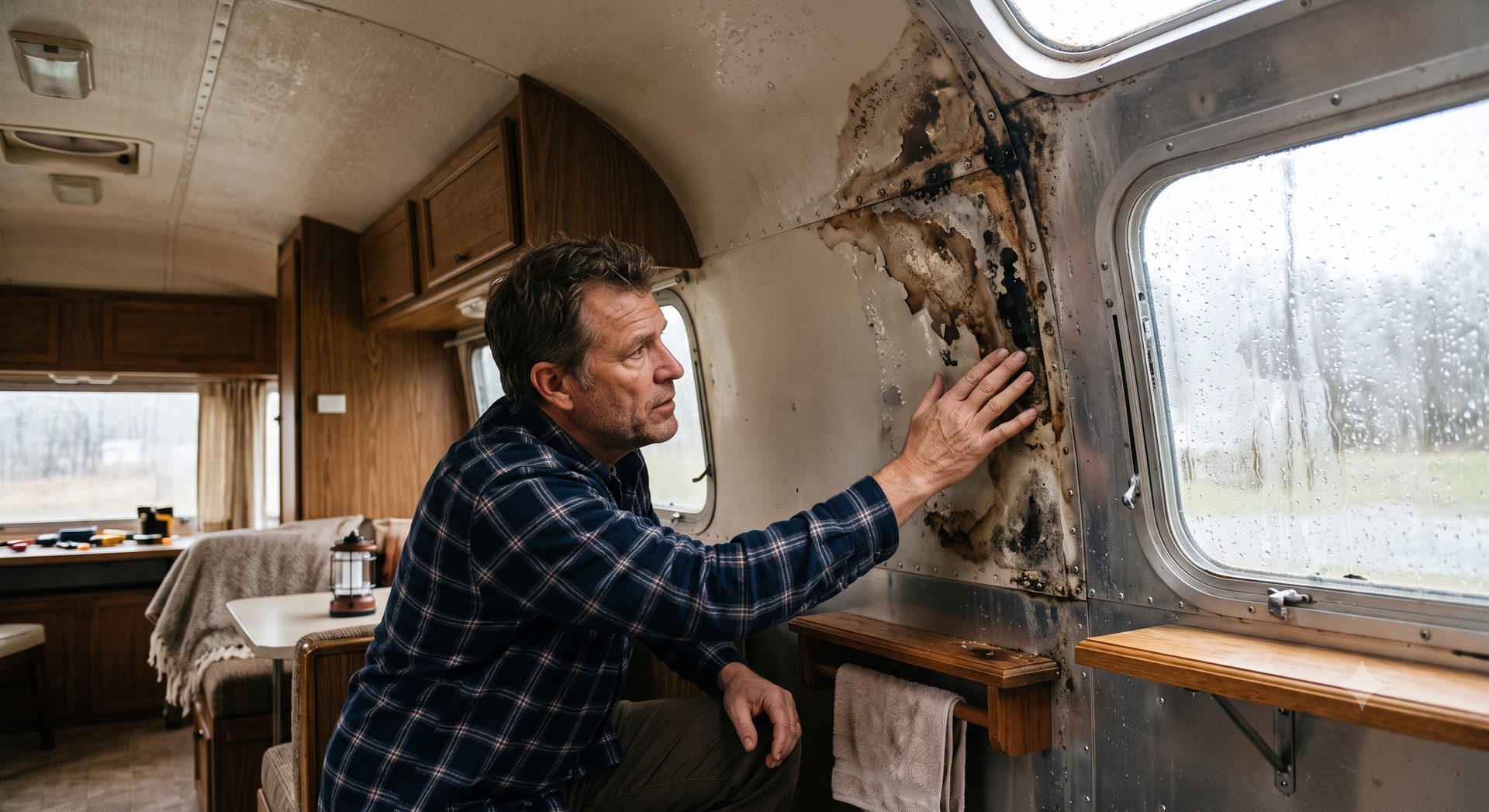
A small leak in an RV can cause damage quickly, especially to floors and cabinets.
Final Thoughts
Routine RV maintenance isn’t complicated, but it does require consistency. The more proactive you are, the less likely you’ll face expensive breakdowns during a trip. Think of it as protecting your investment and ensuring every journey is smooth, safe, and stress-free.
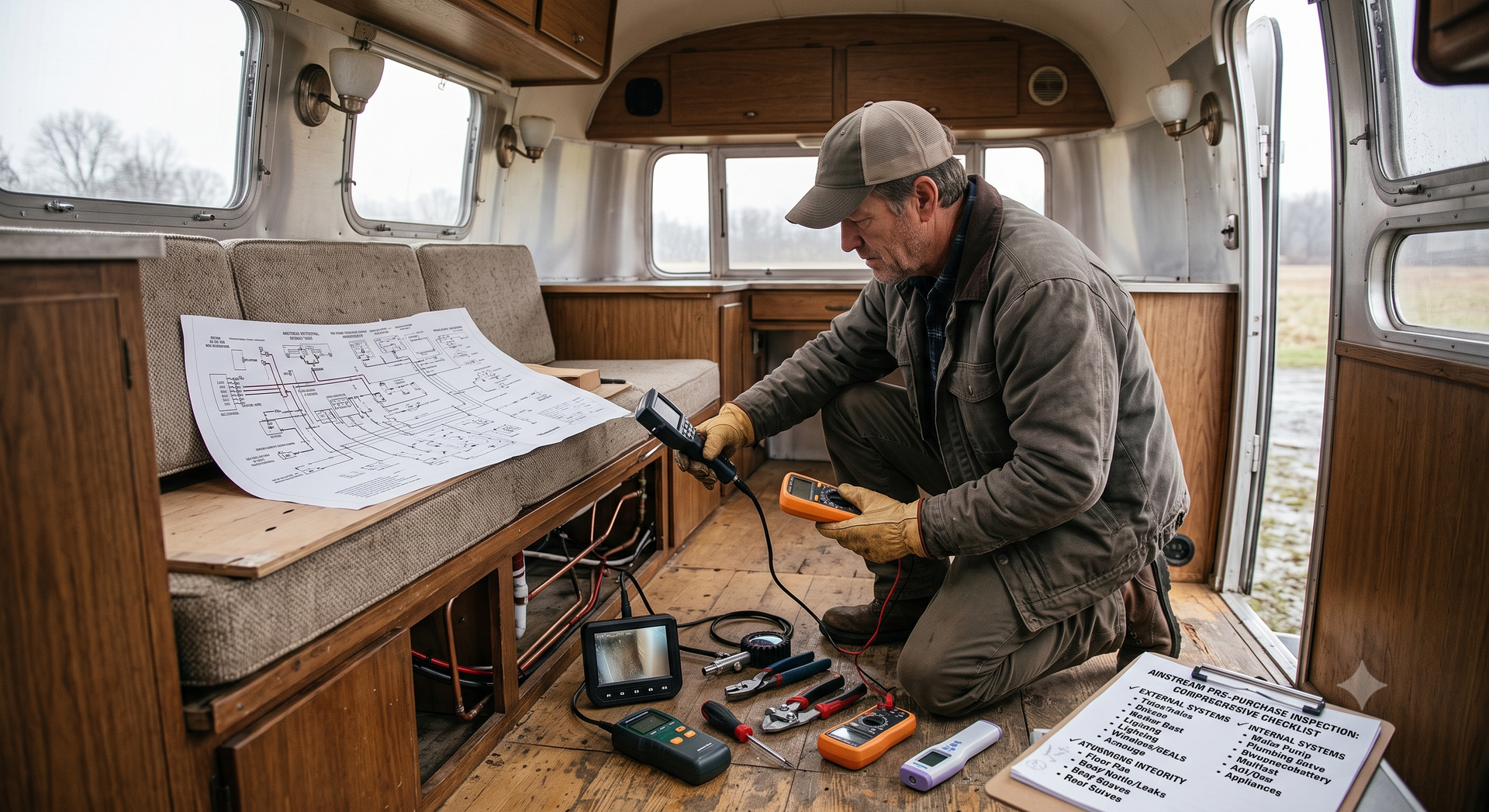
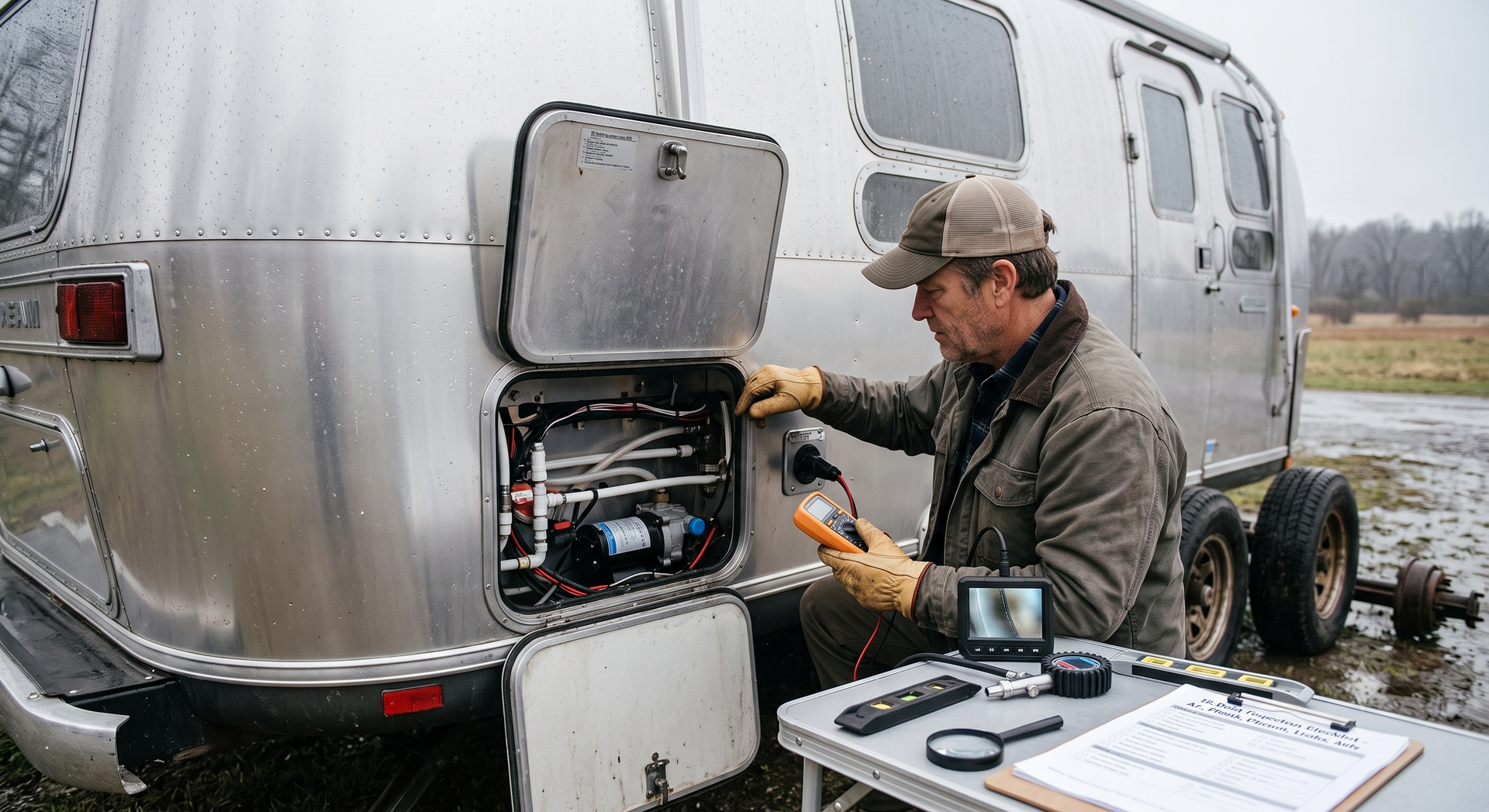
If you ever feel unsure about a problem or need a professional inspection, working with certified mobile RV technicians can save time and help catch issues early before they grow into costly repairs.