
Alde Heating System Troubleshooting: Why Your RV Hot Water or Radiators Aren’t Working
Alde Heating System Troubleshooting: Why Your RV Hot Water or Radiators Aren’t Working
The Alde hydronic system is renowned in the RV world for its whisper-quiet operation and steady, radiant warmth. Found frequently in premium rigs like Airstreams and luxury European-style coaches, it eliminates the dry, noisy blast of traditional forced-air furnaces.
However, because the system relies on a sealed network of boiler loops, glycol fluid, and 12V circulation pumps rather than simple ductwork, diagnosing issues requires a methodical approach. When your radiators stay cold on a brisk North Texas evening or your faucets deliver only lukewarm water, use this troubleshooting guide to identify the root cause before calling for certified on-site service.
1. Check the Basics: Power Source and Fuel Selection
The Alde system can run on liquid propane (LP), 120V AC electric shore power, or a hybrid combination of both. When the unit fails to fire up, verify your supply sources first:
- 12V DC Battery Voltage: The electronic control board and the circulation pump run entirely on 12V DC power. If your house batteries are below 10.5 volts, the Alde interface will throw an error or refuse to cycle.
- 120V Shore Power & Breakers: If heating on electric mode, verify that the RV is plugged into reliable shore power or that the onboard inverter/generator is operating correctly. Inspect your rig's interior breaker panel to ensure the dedicated 120V Alde breaker hasn't tripped.
- Propane Availability & Gas Lockouts: If heating on gas, ensure the main LP tank valve is open and lines are bled. A quick way to test is to light a stove burner. If the burner flame is weak or sputters, your regulator may be frozen or your tank empty.
2. Common Alde Control Panel Error Codes Explained
When an issue arises, the digital touch screen will flash a red exclamation mark accompanied by a specific fault code. Common faults include:
- Gas Out / Gas Failure: The boiler attempted to ignite three times without detecting a sustained flame. Reset the system by turning the master power off on the panel for 10 seconds, confirm propane supply, and restart.
- Overheat Red / Overheat Blue: The high-limit thermal safety switch tripped because the boiler core exceeded safe temperature limits. This is usually caused by an airlock blocking fluid flow or a non-functioning circulation pump.
- Low Battery Voltage: Battery supply has dipped below operating parameters.
- No Connection to Master: A communication interruption between the wall display and the primary boiler PCB, usually due to a loose RJ12 cable harness.
3. Radiators Cold but Hot Water Works? Check the Circulation Pump & Airlocks
Because the Alde heats domestic hot water in an inner tank and radiator glycol in an outer jacket, you can sometimes have hot shower water while your cabin radiators remain icy.
Air Pockets in the Glycol Convectors
Air bubbles are the number one cause of uneven or nonexistent room heating. If an airlock settles near a convector or high point in the aluminum piping, it stops the natural thermal convection and blocks pumped circulation.
- Locate the bleeder valves placed on the highest radiator points (often tucked behind cabinetry, under the bed, or near the bathroom convector).
- With the circulation pump turned off, open the bleed screw until air hisses out and pure glycol begins to weep, then retighten.
Circulation Pump Operation
Inspect the 12V inline or reservoir-mounted circulation pump. When cabin heat calls, you should feel a subtle vibration or hum from the pump motor. If the pump is silent despite the display calling for room heat, inspect the inline fuse and pump speed setting dial (usually set between speed 2 and 3 for standard rigs).
4. Hot Water Not Working? Sanitization, Bypass & Air Cushions
If your radiators work but your domestic hot water is lukewarm or absent:
- Water Heater Bypass Valves: Check the plumbing service bay. If winterization bypass valves were left partially turned, cold water will mix into your hot water supply lines.
- Boost Mode Activation: On the digital panel, toggle the shower icon to "Boost" mode. This shuts off the cabin circulation pump temporarily and focuses 100% of the boiler's energy on heating domestic water for roughly 30 minutes.
- Replenish the Air Cushion: The Alde boiler requires an internal air pocket above the water tank to allow thermal expansion and proper flow. If the tank loses its air pocket, hot water output diminishes significantly. To restore it, shut off your city water hookup, open the yellow Alde pressure relief valve to drain roughly a liter of water, then close the valve and turn water back on.
5. Inspect Your Glycol Reservoir: Color and Concentration
Underneath a dinette seat or closet, you will find the translucent Alde glycol expansion tank.
- Fluid Level: When cold, the glycol level should sit roughly 0.5 inches above the "MIN" mark. Never run the system if the tank is bone dry.
- Fluid Age & Color: Alde systems use specialized, non-toxic propylene glycol (usually blue or magenta). Over 2 to 5 years, corrosion inhibitors break down, turning the fluid acidic, muddy, or brown.
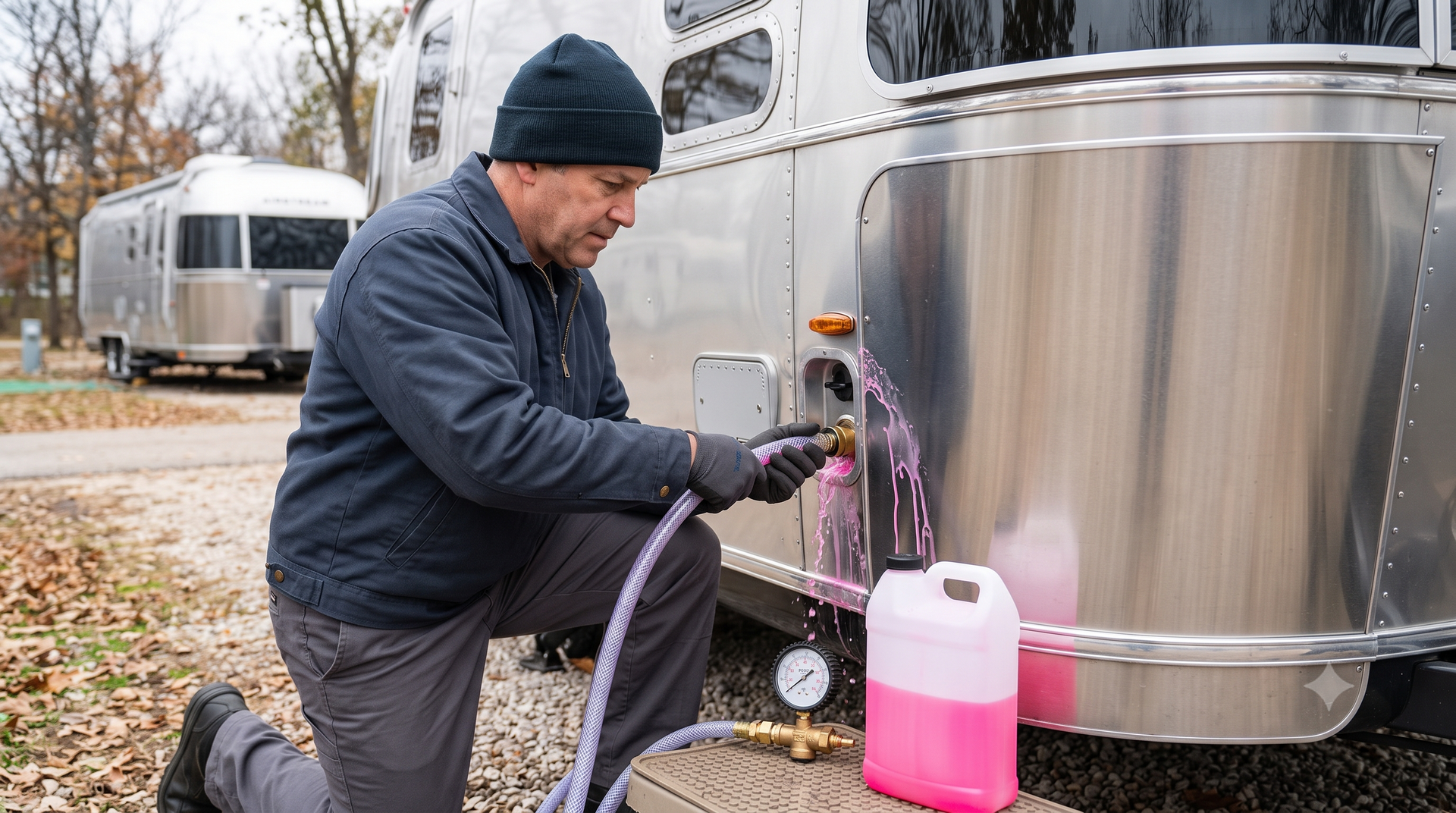
- Freeze Protection: In North Texas, sudden winter freezes can cause catastrophic burst hazards inside the aluminum boiler core if the glycol-to-water ratio drops below 50/50. A full system flush using a dedicated high-pressure pump cart is required every few years to protect the internal heat exchangers from corrosion and freezing.
When to Call a Certified Mobile RV Technician
While resetting fault codes, bleeding air valves, and verifying propane can be done at camp, certain issues demand specialized tooling:
- Persistent "Overheat" cutoffs requiring high-limit switch resets
- Internal leak detection along hidden convector plumbing
- Complete glycol fluid replacement and pressurized loop flushes
- Boiler control board replacements and 120V element burnouts
Because draining or refilling an Alde loop improperly can introduce severe air locks that burn out circulation pumps, specialized service ensures your luxury heating system operates safely and reliably season after season.
Need on-site Alde repairs in the Dallas-Fort Worth Metroplex?
Call Cross Country RV Solutions at (817) 917-0092 for certified mobile diagnostics, glycol flushes, and heating repairs delivered directly to your campsite or driveway.
Frequently Asked Questions
Can I use standard automotive antifreeze in my Alde system?
No. Never use automotive ethylene glycol in an RV hydronic system. Alde systems require specialized, non-toxic propylene glycol formulated specifically with corrosion inhibitors for aluminum heat exchangers. Using automotive antifreeze is toxic and voids manufacturer safety guidelines.
How often does an Alde system need a glycol flush?
Depending on whether your system is filled with 2-year (blue) or 5-year extended-life (magenta/pink) fluid, the glycol should be fully flushed and replaced every 2 to 5 years to prevent corrosion and maintain freeze resistance.
Can I run my Alde heating system while driving?
Yes, provided your propane regulator has a certified crash-sensing valve or you operate via an authorized 12V engine heat exchanger option. However, running open flame propane while in motion is subject to local transit laws and fuel station restrictions.