
Stranded at Lake Arlington or Cedar Hill State Park? How RV Repair Works On-Site
Stranded at Lake Arlington or Cedar Hill State Park? How Mobile RV Repair Works On-Site
You planned the ultimate weekend getaway: peaceful evenings watching the sunset over Lake Arlington or trail hiking along the limestone bluffs at Cedar Hill State Park. Then, the unexpected strikes. Your air conditioner quits in the sweltering Texas heat, a slide-out refuses to retract on departure morning, or a major plumbing leak floods your camper floor.
Hooking up a disabled rig, finding a heavy-duty tow service, and waiting weeks at a traditional DFW dealership service bay is the last thing you want to deal with.
That is where on-site RV repair comes in. Instead of dragging your home-on-wheels to a shop, a certified technician brings the service bay directly to your campsite.
The Big Advantage: Service Directly at Your Campsite
Whether you are booked at one of Cedar Hill State Park's wooded loops along Joe Pool Lake or parked along the shores of Lake Arlington, having a technician come to you saves time, money, and hassle.
- No Tow Trucks Needed: Heavy-duty RV towing across the Metroplex easily costs hundreds—sometimes thousands—of dollars and risks damaging your undercarriage or bumper.
- Save Your Campsite & Vacation: Most common mechanical and electrical issues can be diagnosed and repaired in a single visit without packing up your camp setup.
- Work Performed in Real Time: Traditional service centers often park your rig on a back lot for three to six weeks before even diagnosing the issue. A field technician works on your rig while you watch.
Step-by-Step: How On-Site RV Repair Works
If you find yourself stuck at the lake, the dispatch and repair process is straightforward:
1. The Intake & Triage Call
When you call for assistance, the service dispatcher will ask for:
- Your exact location (Campground name, loop, and specific campsite number).
- RV details (Year, make, model, and whether it’s a travel trailer, fifth wheel, or motorhome).
- A detailed description of the symptom (e.g., error codes on the thermostat, buzzing sounds at the converter, water leaking under the city water inlet).
- Photos or short videos sent via text to help identify specific parts before heading out.
2. Field Dispatch & Arrival
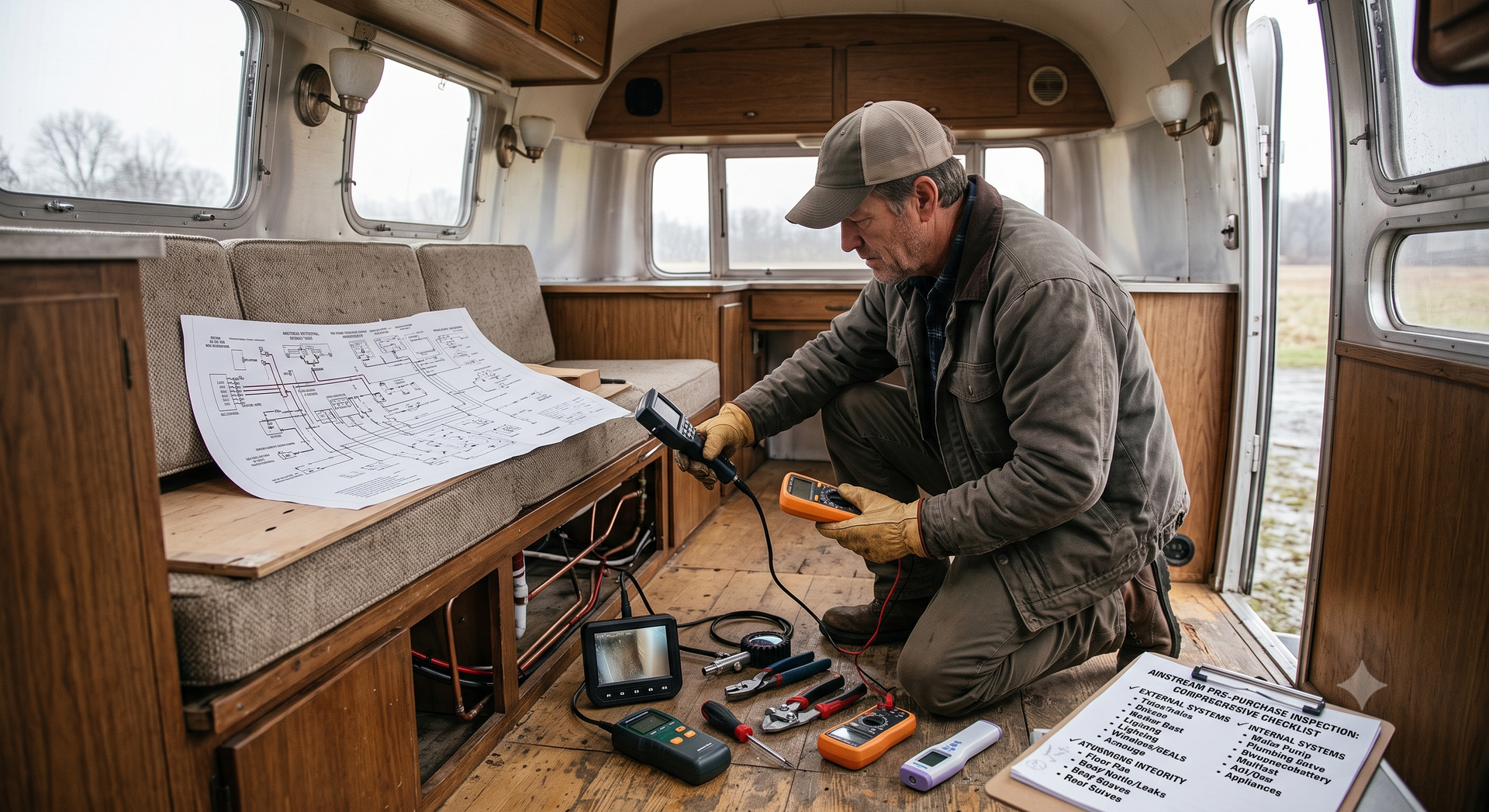
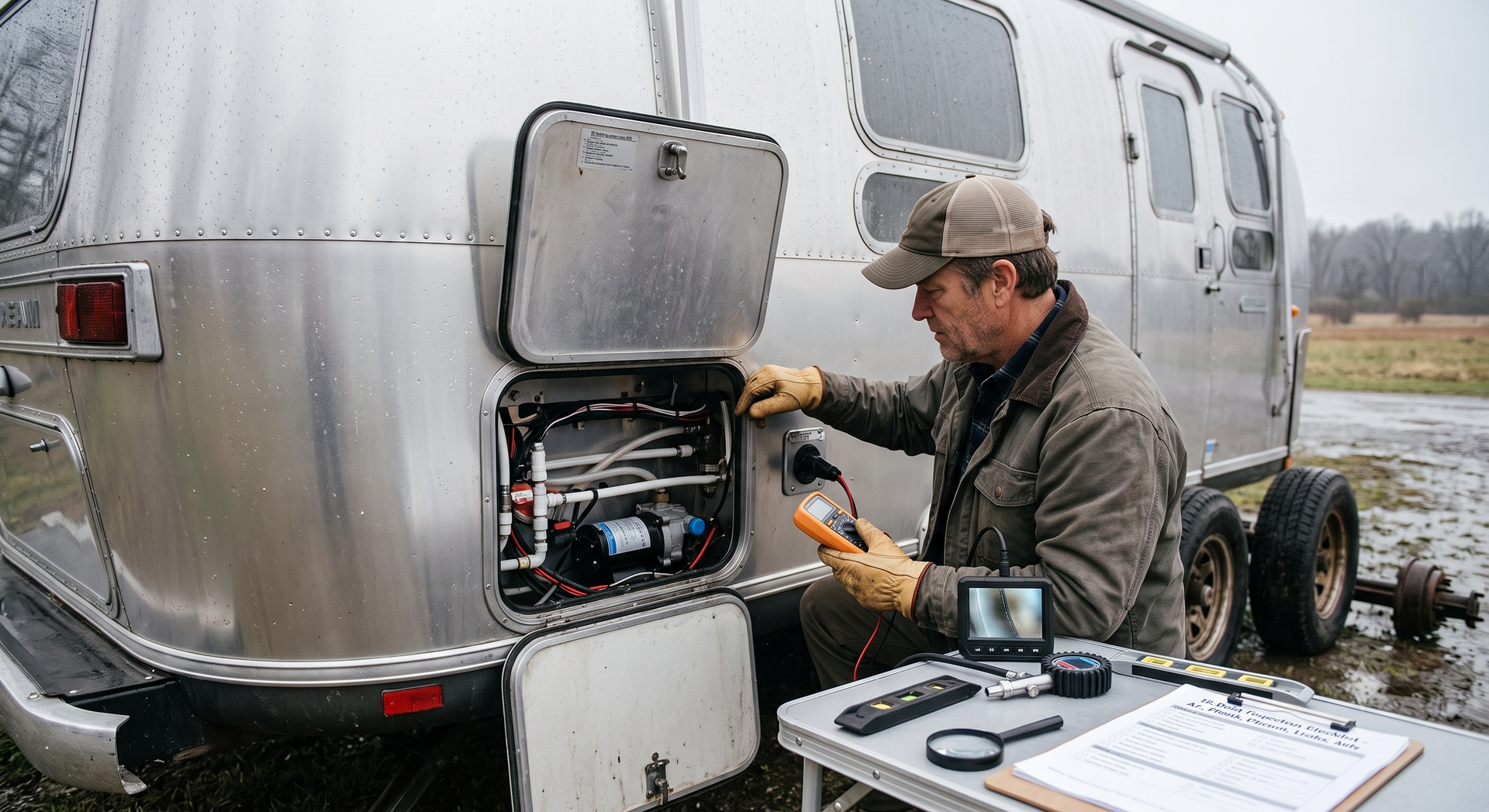
The technician arrives in a fully outfitted service van carrying specialized diagnostic tools, multimeters, plumbing fittings, common electrical components, and replacement hardware.
3. On-Site Diagnostics & Estimate
The technician inspects the issue, tests the circuits or mechanical linkages, explains the failure point, and presents a clear estimate covering parts and labor before turning a single wrench.
4. Same-Day Repair or Parts Sourcing
Most common campsite issues are repaired immediately using van stock. If a proprietary part is required (such as an uncommon circuit board or custom awning arm), temporary measures are often taken to make the rig safe, secure, or travel-ready while the part is sourced.
Common Campsite Emergencies Solved On-Site
RVs are essentially rolling houses subjected to earthquake-level vibrations on every highway journey. The most common failures handled at lakeside campgrounds include:
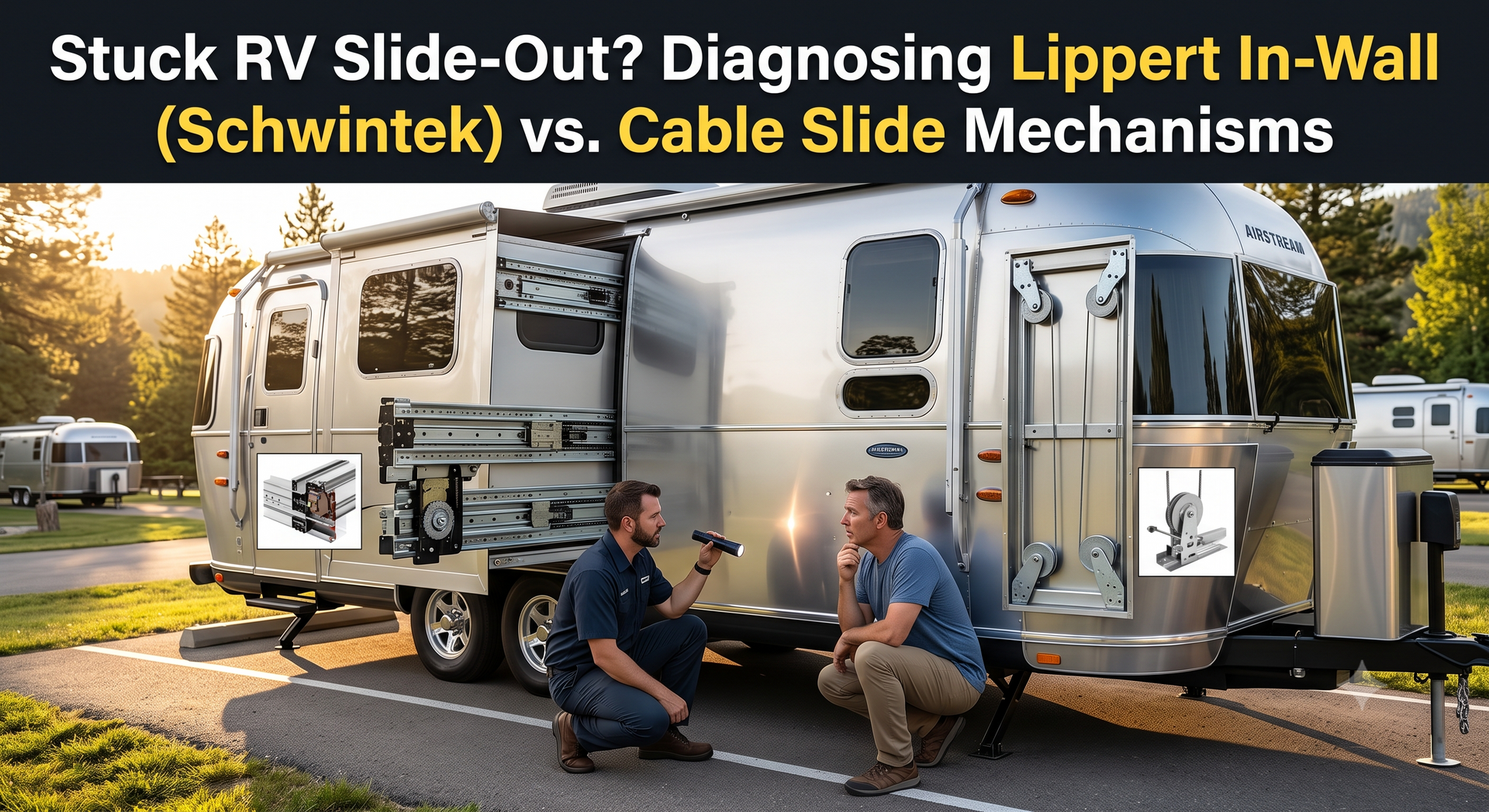
- Stuck Slide-Outs & Leveling Jacks: Hydraulic line leaks, stripped shear pins, or failed 12V motors that prevent your rig from closing up on checkout day.
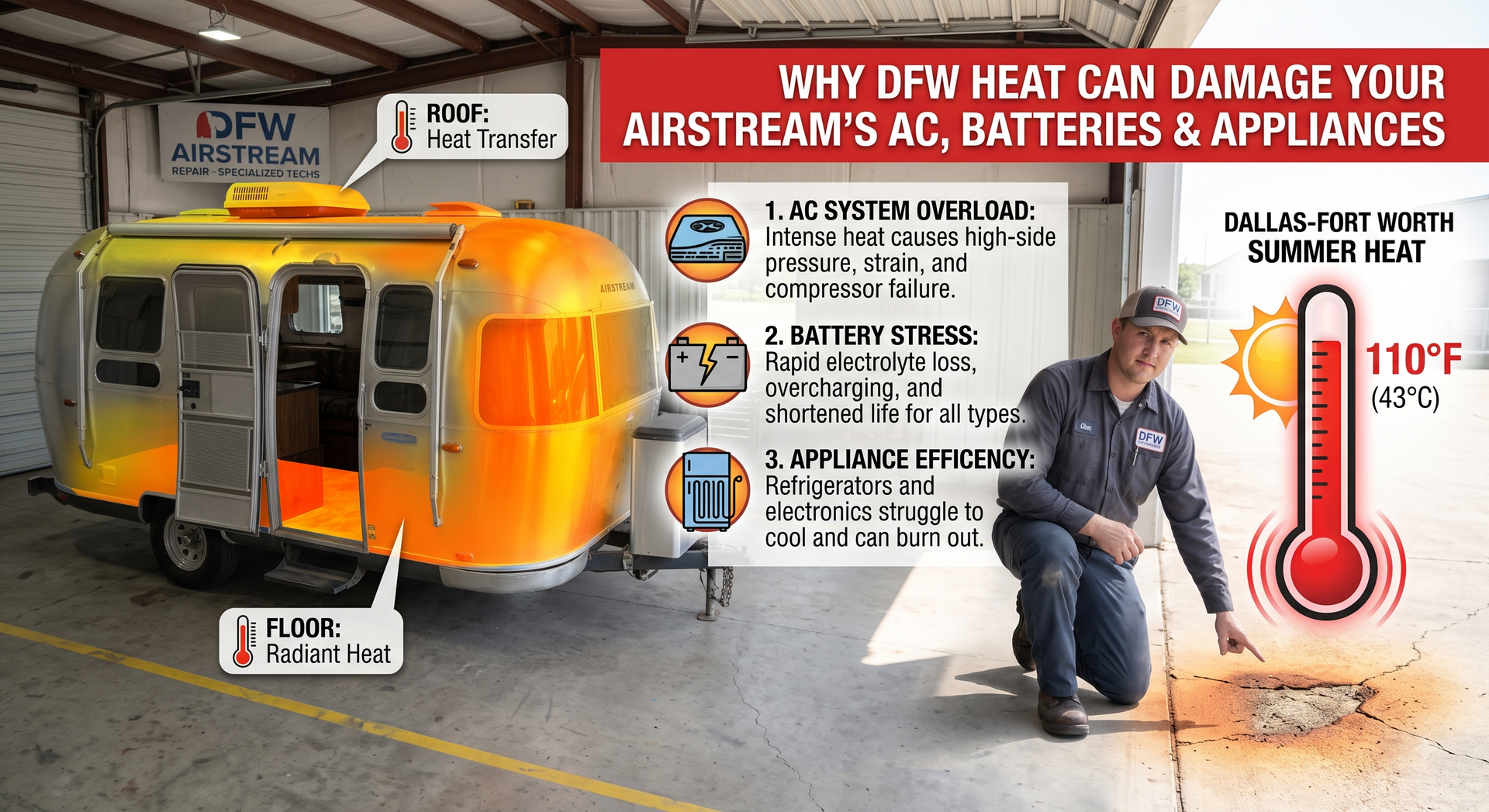
- Air Conditioning Failures: Capacitor blowouts, control board shorts, or freeze-ups—critical emergencies during hot North Texas summers.
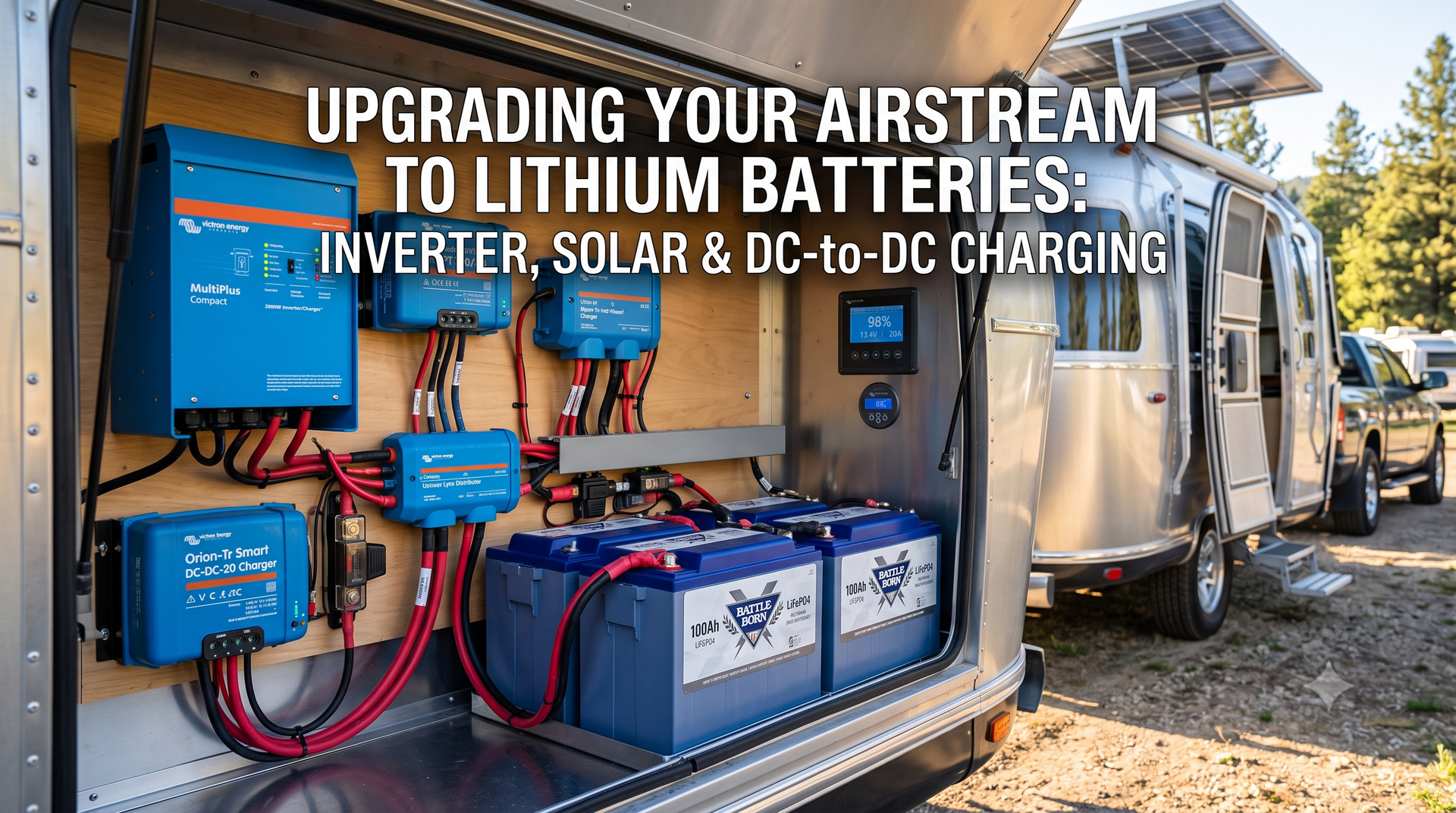
- Electrical System Glitches: Tripped transfer switches, dead 12V converters, blown main fuses, or shore-power connection faults.
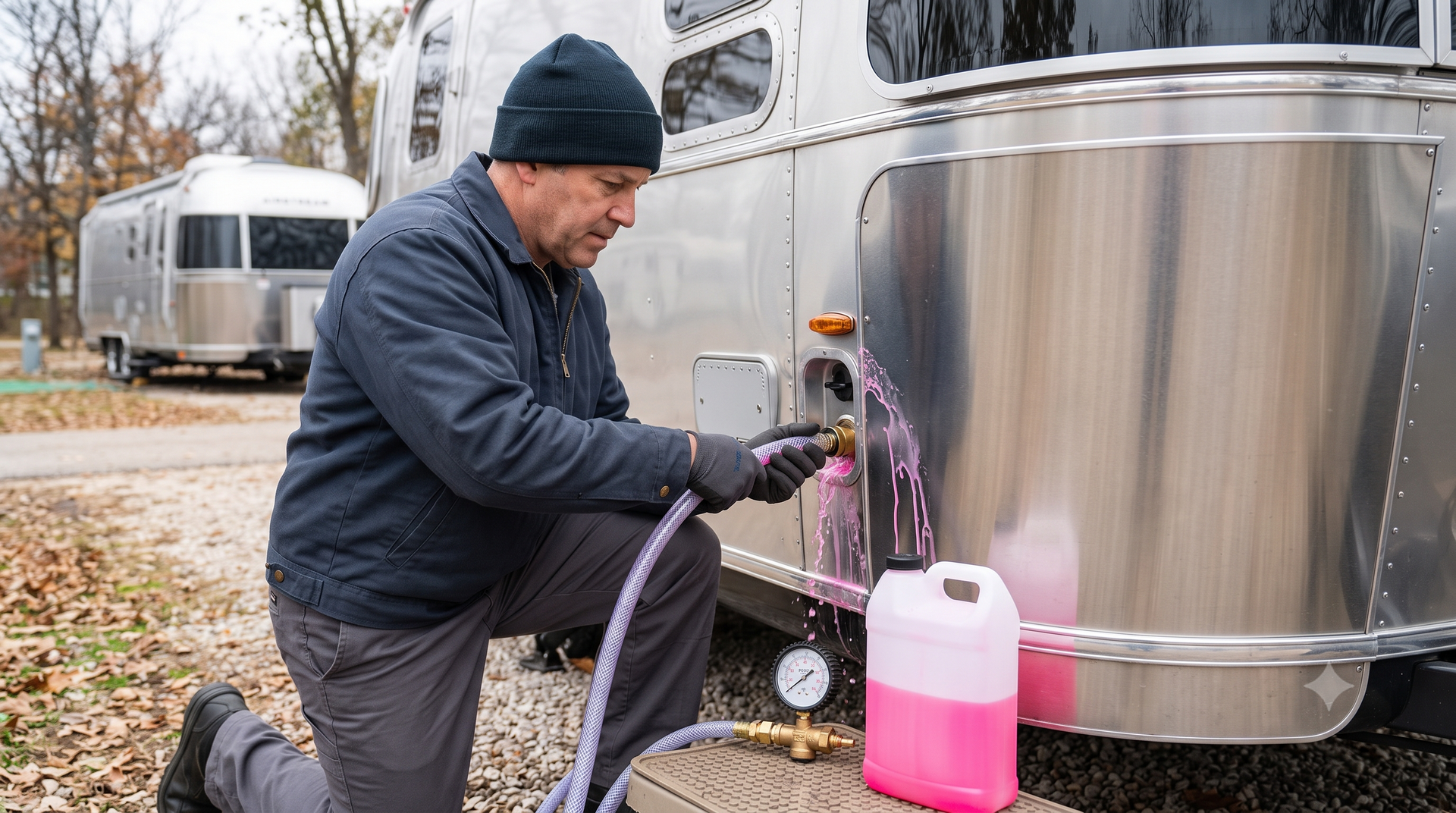
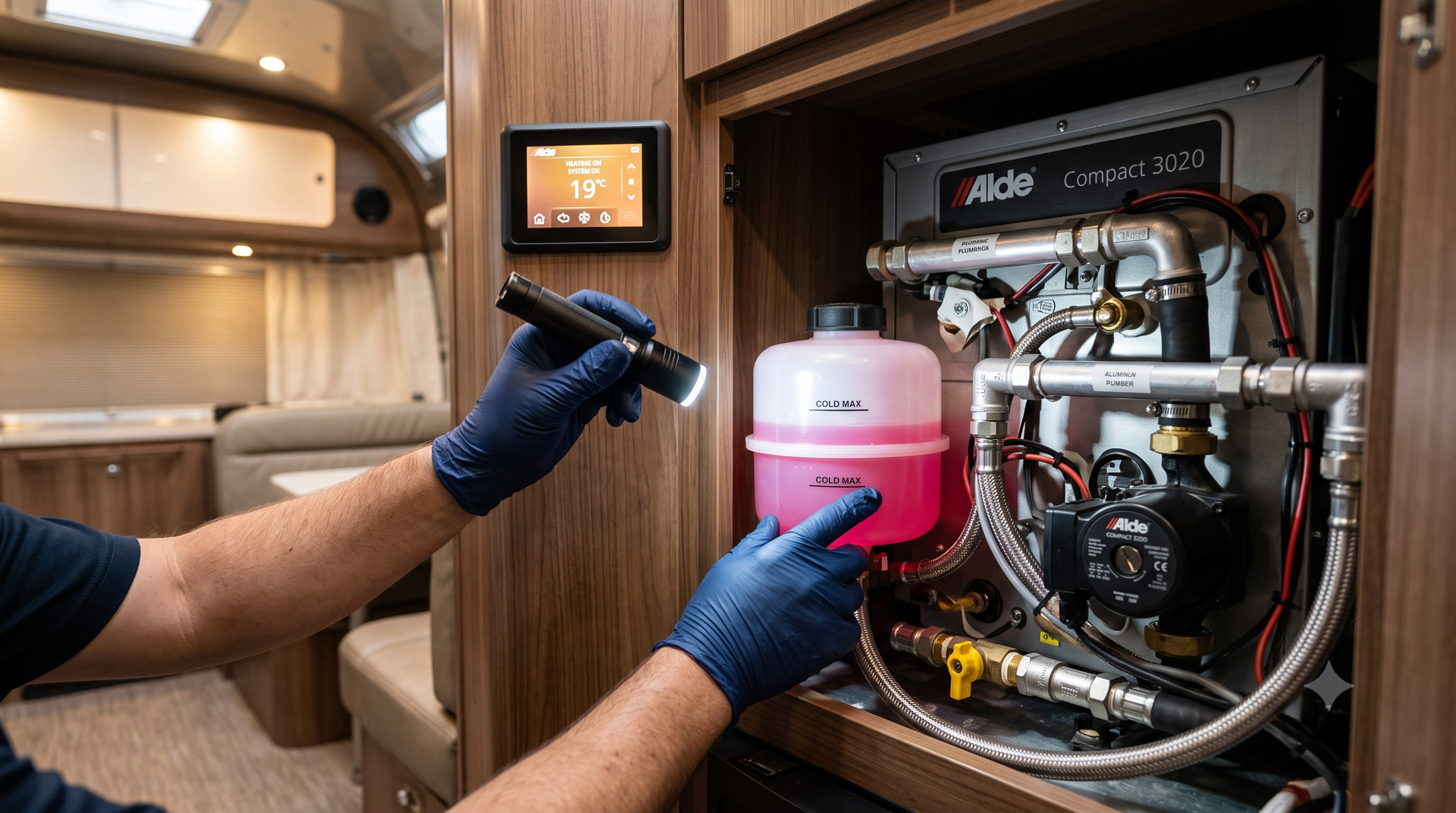
- Plumbing & Water Leaks: PEX line cracks, failing water pumps, leaking water heaters, or cracked grey/black dump valves.
- Appliance Malfunctions: Dometic or Norcold RV refrigerators failing to switch between LP gas and electric power.
What Campers Should Check Before Calling
Before booking a service call, run through these quick troubleshooting checks:
- Verify the Pedestal Breaker: Campground pedestal breakers trip frequently under heavy summer AC loads. Turn the park breaker firmly OFF and back ON.
- Check the Battery Disconnect: If your 12V lights, water pump, and slide-outs are dead, ensure your main house battery disconnect switch hasn't accidentally been bumped to the "OFF" position.
- Inspect the GFCI Outlets: If half your interior 120V outlets are dead, reset the primary GFCI outlet located in the bathroom or kitchen area.
Camp Stress-Free Around DFW Lakes
A mechanical failure does not have to end your trip or leave you stranded at the campground gate. Knowing that certified RV technicians operate directly throughout the Arlington and Cedar Hill lake areas means professional help is just a phone call away—letting you get back to campfire cooking and lakeside relaxing.
Frequently Asked Questions (FAQ)
Can an RV technician come directly to my campsite at Cedar Hill State Park or Lake Arlington?
Yes. Certified field technicians travel directly to your specific campsite, loop, or day-use parking area, eliminating the need to tear down camp or pay for an expensive tow truck.
How quickly can a technician arrive at my campsite?
Response times vary based on daily scheduling and current call volume around the DFW area, but many lakeside calls receive same-day or emergency priority dispatch. Providing exact campsite numbers and clear symptom descriptions during the intake call helps expedite arrival.
What types of RV repairs can be completed on-site?
The vast majority of common campground breakdowns can be resolved at the site, including:
- AC capacitor, fan motor, and thermostat troubleshooting
- Slide-out motor, gear, and hydraulic issues
- 12V DC converter, fuse, and 120V shore-power electrical faults
- Fresh water pump, PEX pipe leaks, and water heater failures
- RV refrigerator failures (switching between LP gas and electric)
What happens if my repair requires a specialized part?
Service vans carry an extensive inventory of universal electrical components, PEX fittings, fuses, switches, and common hardware. If your repair demands a proprietary component (such as a specific slide controller or custom awning bracket), temporary measures are often taken to secure the RV, make it livable, or prepare it for safe travel while the part is sourced.
Will on-site repairs void my manufacturer warranty?
No. Work performed by certified technicians adheres to industry standards. Detailed invoices, diagnostic notes, and itemized parts lists can typically be submitted directly to extended service contracts or aftermarket warranty providers for reimbursement.
What should I check before scheduling a technician call?
Before placing a call, verify that the campground pedestal breaker is fully on, ensure your RV's 12V house battery disconnect switch is not turned off, and reset any tripped GFCI outlets located in the kitchen or bathroom.