
How to Find the Best RV Campgrounds Near Dallas-Fort Worth for a Weekend Getaway
How to Find the Best RV Campgrounds Near Dallas-Fort Worth for a Weekend Getaway
Planning a weekend getaway in your RV is a great way to escape the busy city lifestyle, enjoy the outdoors, and spend quality time with family and friends. If you're in the Dallas-Fort Worth area, you're in a convenient location with access to scenic lakes, peaceful countryside, beautiful parks, and family-friendly camping destinations.
Whether you're looking for a quiet lakeside campsite, a full-service RV resort, or a nature-filled weekend adventure, finding the right RV campground near Dallas-Fort Worth can make all the difference.
But with so many camping options available, how do you choose the best one for your RV, travel style, and weekend plans?
In this guide, we'll explain how to find the best RV campgrounds near Dallas-Fort Worth, what amenities to look for, how to compare camping locations, and how to plan a comfortable and memorable weekend RV trip.
Why Choose an RV Campground Near Dallas-Fort Worth?
Dallas-Fort Worth offers a great starting point for weekend RV adventures. You don't have to drive hundreds of miles to enjoy outdoor recreation, relaxing surroundings, or a change of scenery.
Many campgrounds around the DFW area offer convenient access to:
- Beautiful lakes and waterfront activities.
- Hiking and biking trails.
- Fishing and boating opportunities.
- Family-friendly recreational facilities.
- Nature parks and outdoor attractions.
- Shopping, restaurants, and local entertainment.
Choosing an RV campground within a reasonable driving distance also means less time on the road and more time enjoying your weekend.
1. Decide What Type of RV Camping Experience You Want
Before searching for RV parks near Dallas-Fort Worth, decide what kind of getaway you're planning.
Different campgrounds offer different experiences, so identifying your priorities will help narrow down your choices.
Lakeside RV Camping
If you enjoy fishing, boating, swimming, or relaxing near the water, lakeside RV campgrounds are worth considering.
Popular destinations around the DFW region include Lake Ray Roberts, Lake Lewisville, and Cedar Creek Lake.
These areas offer opportunities for outdoor recreation and peaceful surroundings, making them suitable for couples, families, and outdoor enthusiasts.
Family-Friendly RV Resorts
Traveling with children? Look for RV resorts that offer recreational facilities and activities for the whole family.
Some useful amenities include:
- Swimming pools.
- Playgrounds.
- Clubhouses.
- Recreational areas.
- Family-friendly events.
- Convenient restroom and shower facilities.
These features can make a short RV getaway more enjoyable for everyone.
Quiet Nature and Countryside Campgrounds
If your goal is to relax away from city noise, consider campgrounds near state parks, wooded areas, or quieter lakeside locations.
Look for destinations with spacious RV sites, walking trails, natural scenery, and fewer nearby traffic disturbances.
The right environment can turn a simple weekend trip into a refreshing outdoor experience.
2. Explore Popular RV Camping Destinations Around DFW
The Dallas-Fort Worth region has several camping destinations worth exploring. Here are some locations to consider when planning your next weekend getaway.
Lake Ray Roberts
<AsyncImage query="Ray Roberts Lake State Park Texas RV camping lakeside campground" aspectRatio="16:9" width="100%"/>
Located north of the Dallas-Fort Worth metroplex, <Entity value="Ray Roberts Lake State Park" category="point_of_interest" location="Denton County, Texas, USA"/> is a popular destination for outdoor recreation.
Visitors can enjoy hiking, fishing, boating, wildlife viewing, and camping.
It is a great option for RV travelers looking to combine lakeside scenery with outdoor activities.
Lake Lewisville
<AsyncImage query="Lake Lewisville Texas campground RV camping lake view" aspectRatio="16:9" width="100%"/>
<Entity value="Lake Lewisville" category="point_of_interest" location="Lewisville, Texas, USA"/> is another convenient destination for DFW residents.
The lake is known for boating, fishing, water recreation, and nearby outdoor spaces.
Its location makes it an attractive option for travelers who want a weekend escape without driving too far from the city.
Cedar Hill State Park
<AsyncImage query="Cedar Hill State Park Texas RV campground Joe Pool Lake" aspectRatio="16:9" width="100%"/>
Located near Joe Pool Lake, <Entity value="Cedar Hill State Park" category="point_of_interest" location="Cedar Hill, Texas, USA"/> offers a combination of lakeside activities and natural scenery.
Visitors can enjoy hiking, fishing, biking, and camping.
It is worth considering if you want a nature-focused getaway within convenient reach of the Dallas area.
Lake Mineral Wells State Park
<AsyncImage query="Lake Mineral Wells State Park Texas RV camping scenic landscape" aspectRatio="16:9" width="100%"/>
For a more outdoors-focused weekend, consider <Entity value="Lake Mineral Wells State Park" category="point_of_interest" location="Mineral Wells, Texas, USA"/>.
The park offers camping, hiking, fishing, and opportunities for outdoor adventure.
Its scenic landscape makes it an appealing choice for RV travelers who want to explore beyond the immediate DFW suburbs.
Lake Tawakoni State Park
<AsyncImage query="Lake Tawakoni State Park Texas RV camping waterfront" aspectRatio="16:9" width="100%"/>
<Entity value="Lake Tawakoni State Park" category="point_of_interest" location="Wills Point, Texas, USA"/> is another option for a peaceful weekend surrounded by nature.
The area is popular for fishing, boating, wildlife observation, and camping.
It may be particularly appealing to travelers who prefer a quieter atmosphere and outdoor recreation.
3. Check Essential RV Campground Amenities
Not every RV campground provides the same facilities. Before making a reservation, check whether the campground offers the amenities your RV requires.
Here are some important features to consider.
Full Hookup RV Sites
Full hookup sites typically provide:
- Electricity.
- Freshwater connections.
- Sewer connections.
These facilities make longer stays and weekend trips more convenient.
Check the available electrical service, such as 30-amp or 50-amp connections, to ensure compatibility with your RV.
Reliable Wi-Fi and Mobile Connectivity
If you need internet access for work, entertainment, or navigation, check whether the campground offers Wi-Fi and reliable mobile coverage.
Connectivity can vary significantly depending on the campground's location and surrounding terrain.
Clean Restrooms and Shower Facilities
Even if your RV has its own bathroom, clean communal facilities can be useful, especially when traveling with family.
Check campground reviews for feedback about cleanliness and maintenance.
Laundry and Waste Disposal Facilities
Laundry rooms, dump stations, and convenient waste disposal facilities can make your trip more comfortable.
These amenities are especially useful for travelers planning frequent RV trips.
Pet-Friendly Facilities
Traveling with pets? Look for campgrounds that allow pets and offer suitable walking areas.
Always review pet policies, leash requirements, and any additional fees before booking.
4. Compare RV Site Sizes and Accessibility
One of the biggest mistakes RV travelers make is booking a campsite without checking whether their vehicle will fit.
Before confirming a reservation, consider:
- Total RV length.
- Site width and parking space.
- Slide-out clearance.
- Access road width.
- Turning space.
- Back-in versus pull-through availability.
- Tree branches and overhead obstructions.
If you're traveling with a large motorhome or towing a trailer, a pull-through RV site may make parking much easier.
Always provide the campground with accurate RV dimensions when booking.
5. Read Reviews Before Booking an RV Campground
Online reviews can help you understand what a campground is really like before arriving.
Don't rely only on promotional photographs or campground descriptions.
Instead, look for recent feedback from other RV travelers.
Pay attention to comments about:
- Cleanliness and maintenance.
- Staff friendliness.
- Noise levels.
- Electrical and water connections.
- Site spacing and accessibility.
- Restroom facilities.
- Security and lighting.
- Internet connectivity.
Recent reviews are particularly useful because campground conditions and management can change over time.
You can compare ratings and experiences across Google Maps, campground directories, and RV travel communities.
6. Consider Driving Distance and Weekend Traffic
A weekend getaway should be relaxing, not dominated by hours of driving.
When comparing RV campgrounds near Dallas-Fort Worth, consider the total travel time from your starting location.
Friday afternoon traffic around Dallas and Fort Worth can be particularly busy.
A few practical planning tips include:
- Choose a campground within your preferred driving distance.
- Check traffic conditions before leaving.
- Consider departing earlier on Friday.
- Plan fuel stops for longer trips.
- Confirm campground check-in and checkout times.
- Check road restrictions and RV-friendly routes.
A campground that is slightly farther away may be worth the extra drive if it offers better facilities and a more peaceful environment.
7. Understand RV Campground Pricing and Reservation Policies
RV campground rates can vary depending on location, season, site type, and available amenities.
Before booking, compare the complete cost rather than looking only at the advertised nightly rate.
Check for:
- Nightly site charges.
- Additional guest fees.
- Electricity charges, if applicable.
- Pet fees.
- Resort or facility fees.
- Cancellation policies.
- Holiday and weekend pricing.
- Deposit requirements.
State parks and private RV resorts may have different reservation systems and policies.
Popular camping destinations can fill up quickly during holidays and peak travel seasons, so booking ahead is a smart idea.
8. Prepare Your RV Before Leaving for the Weekend
Finding the right campground is only part of planning a successful RV getaway. Your RV should also be ready for the trip.
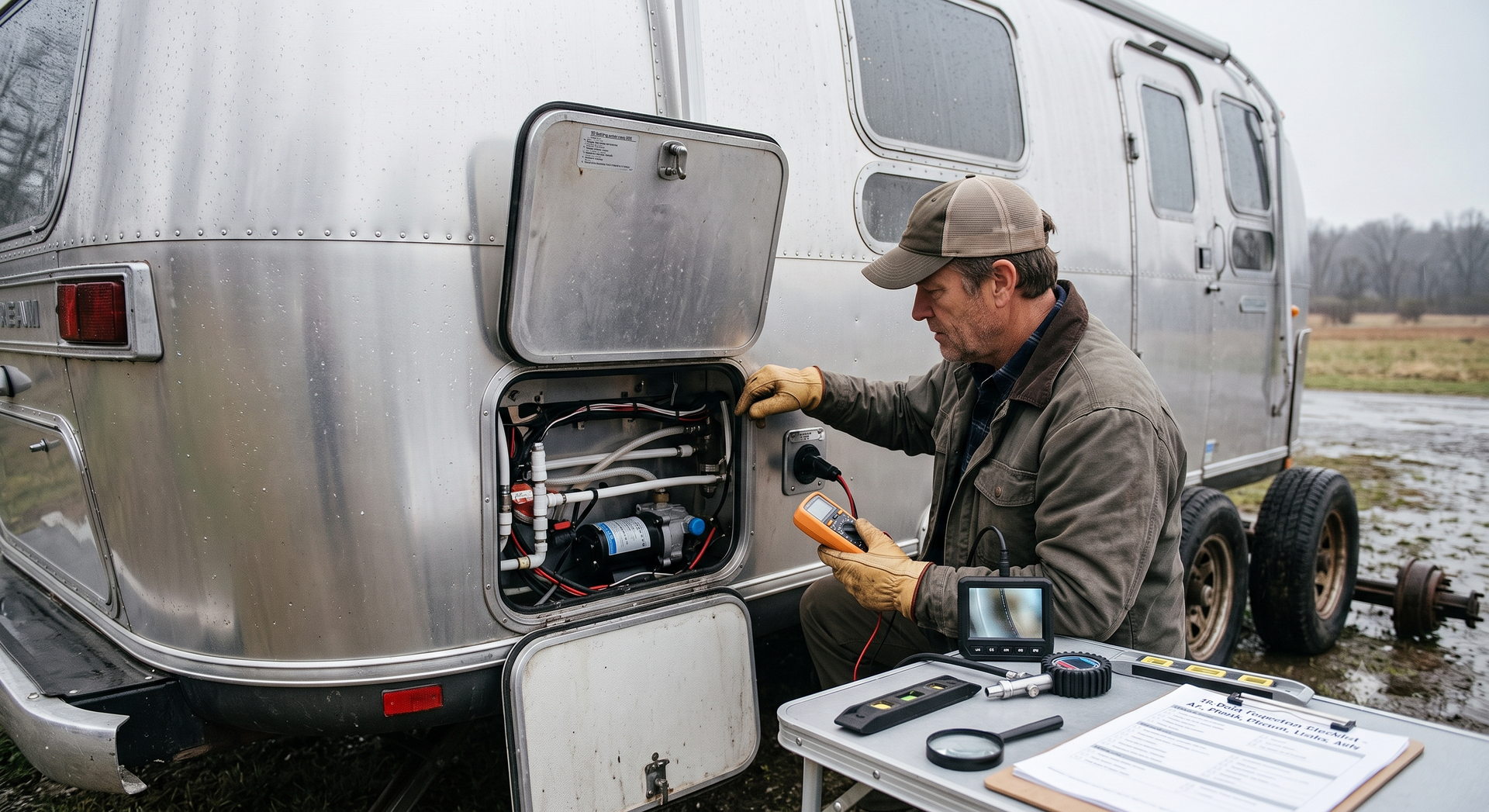
Before departure, complete a basic maintenance inspection.
RV Pre-Trip Checklist
- Check tire pressure and tire condition.
- Inspect brakes and exterior lights.
- Check engine oil and other essential fluid levels.
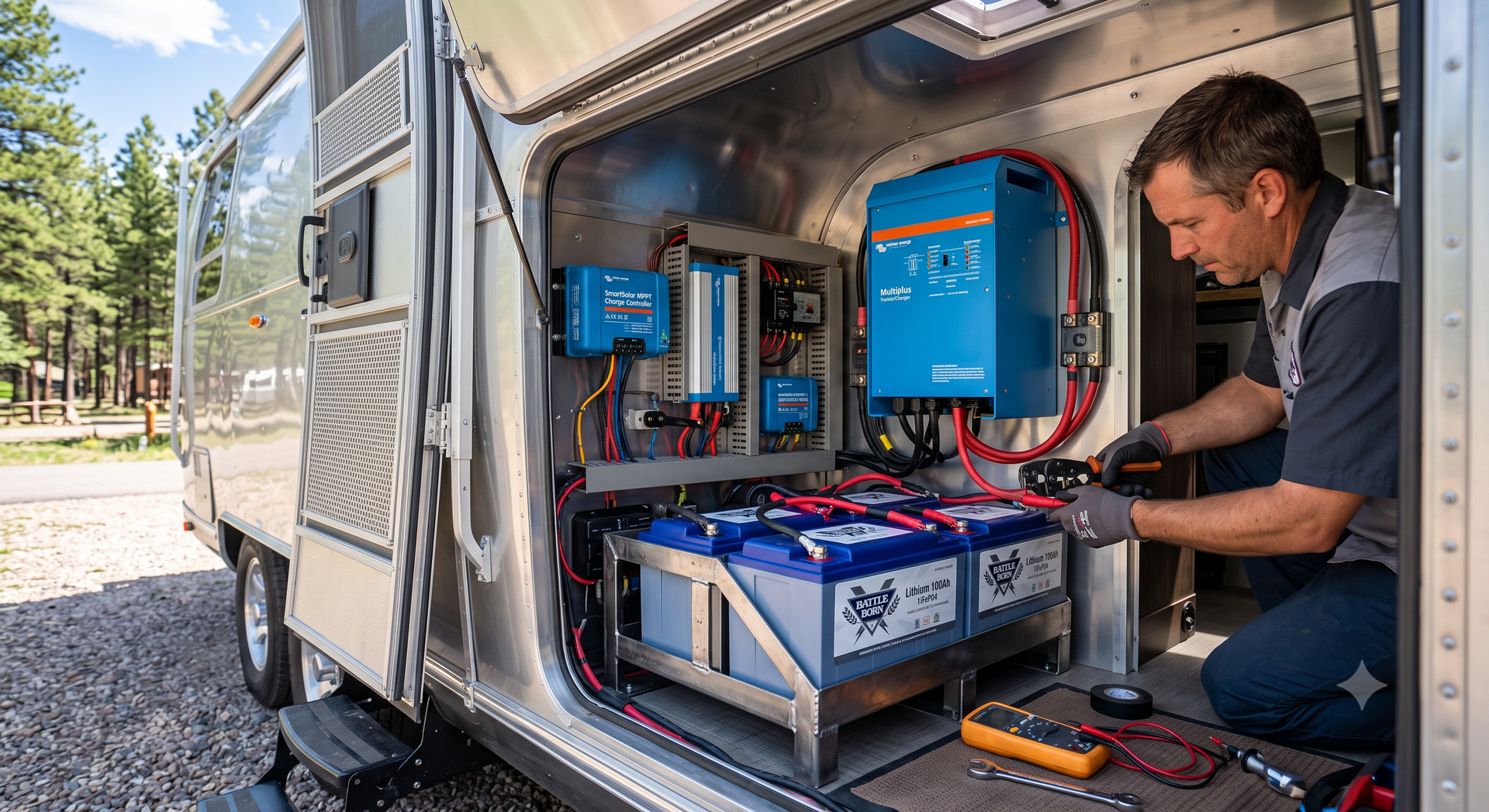
- Test the house battery and electrical connections.
- Inspect the freshwater system.
- Check the wastewater tank levels.
- Inspect propane connections and appliances.
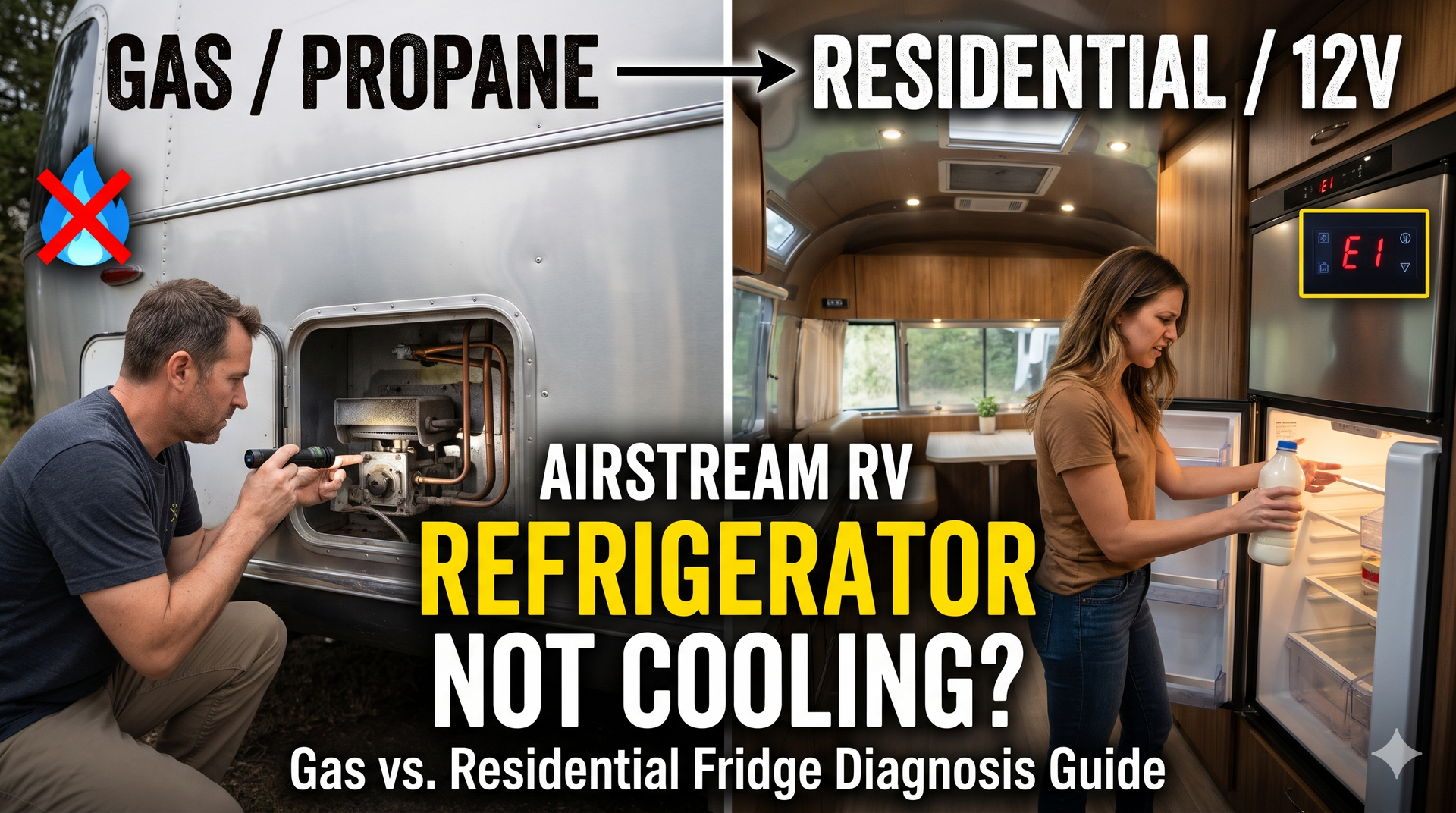
- Test the refrigerator and air conditioning.
- Check awnings, slide-outs, and exterior compartments.
- Carry essential tools and emergency supplies.
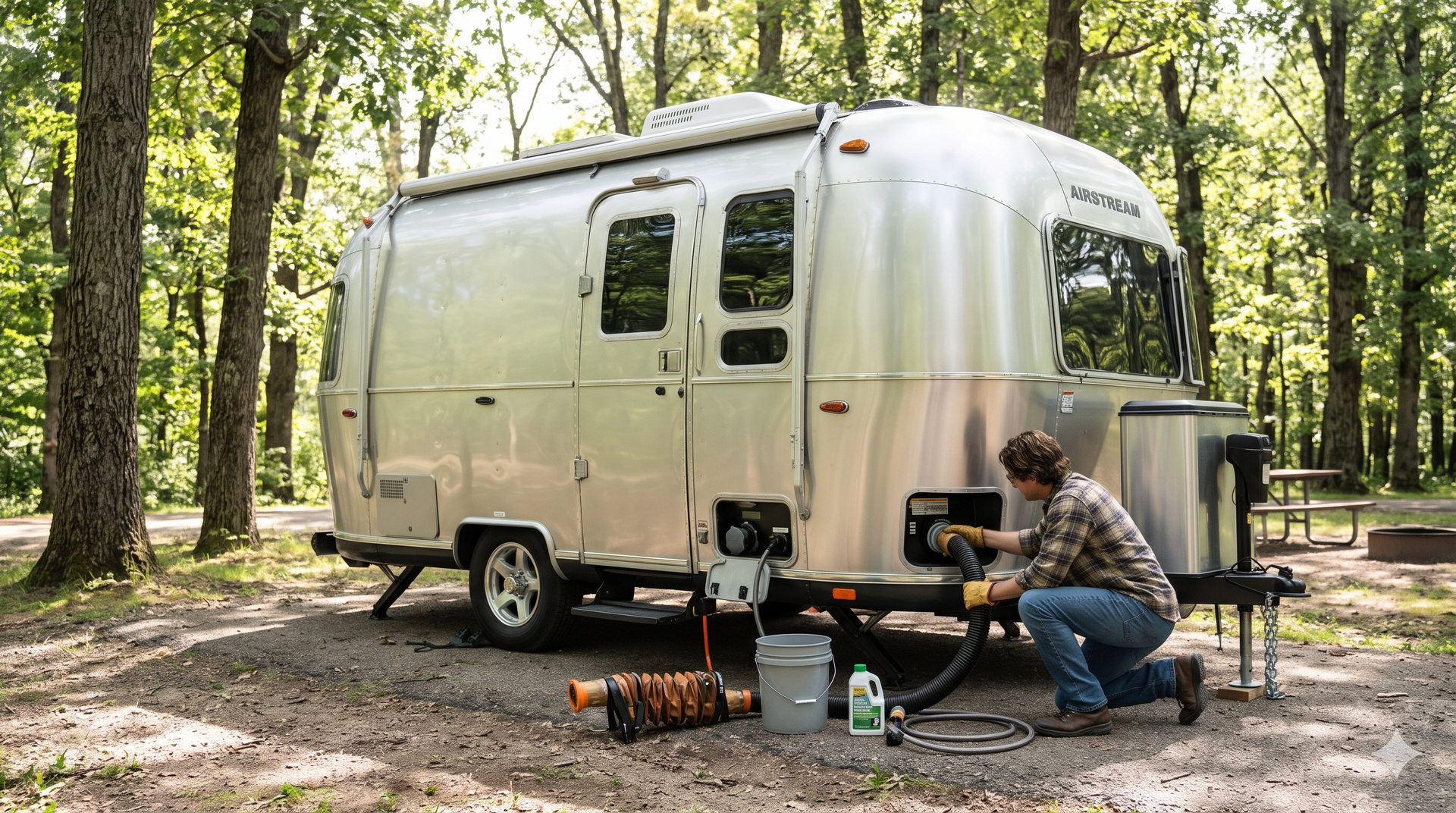
Also check your black and grey water tank levels before departure and confirm that your sewer hose and freshwater equipment are in good condition.
A little preparation can help prevent unexpected problems during your weekend getaway.
9. Plan Weekend Activities Before Arriving
Once you've selected your RV campground, plan a few activities to make the most of your trip.
Depending on your destination, you could enjoy:
Outdoor Adventures: Explore hiking trails, go fishing, enjoy boating, or take a scenic bike ride.
Family Activities: Organize outdoor games, explore nearby parks, or spend time around the campground's recreational facilities.
Relaxation: Enjoy a lakeside sunset, prepare an outdoor meal, read a book, or simply relax at your campsite.
Local Exploration: Visit nearby attractions, restaurants, shopping areas, or small towns.
You don't need to schedule every minute. Leave some free time to enjoy the slower pace of RV travel.
10. Follow Campground Rules and Practice Responsible RV Camping
A good RV camping experience also means respecting the campground and other visitors.
Before arriving, review the campground's rules and regulations.
Common guidelines include:
- Observe quiet hours.
- Follow campfire restrictions.
- Dispose of trash properly.
- Use designated dump stations.
- Keep pets under control.
- Avoid blocking neighboring campsites.
- Follow speed limits within the campground.
- Respect wildlife and natural surroundings.
Responsible camping helps protect outdoor spaces and ensures that everyone can enjoy their stay.
Final Thoughts: Make Your Next DFW RV Weekend Getaway Memorable
Finding the best RV campgrounds near Dallas-Fort Worth doesn't have to be complicated.
Start by identifying the type of camping experience you want, compare nearby destinations, check essential amenities, and read recent campground reviews before booking.
Whether you prefer lakeside relaxation at Lake Lewisville, outdoor adventures at Ray Roberts Lake State Park, or a nature-focused escape at Cedar Hill State Park, the DFW region offers plenty of opportunities for a memorable weekend RV getaway.
Most importantly, prepare your RV before leaving, confirm your reservation details, and choose a campsite that matches your vehicle and travel needs.
With the right planning, even a two-day RV trip can provide a refreshing break from everyday life and create lasting memories.
Frequently Asked Questions (FAQs)
1. What are the best RV campgrounds near Dallas-Fort Worth?
Some popular camping destinations to explore include Ray Roberts Lake State Park, Cedar Hill State Park, Lake Mineral Wells State Park, and Lake Tawakoni State Park. The best option depends on your preferred activities, driving distance, and RV requirements.
2. How far should I travel for a weekend RV getaway from DFW?
For a short weekend trip, many travelers prefer destinations within approximately one to three hours of Dallas-Fort Worth. Your ideal distance depends on your schedule, driving preferences, and campground location.
3. What amenities should I look for in an RV campground?
Look for suitable electrical hookups, freshwater and sewer connections, clean restrooms, showers, laundry facilities, Wi-Fi, pet-friendly areas, and convenient access roads.
4. Should I reserve an RV campsite in advance?
Yes. Reserving in advance is recommended, particularly during weekends, holidays, and popular camping seasons. It also gives you a better chance of securing a site that fits your RV.
5. Are there pet-friendly RV campgrounds near Dallas-Fort Worth?
Yes. Several public and private campgrounds in the DFW region allow pets. However, pet restrictions, leash rules, and additional fees vary by location. Always confirm the current policies before booking.
6. What size RV campsite should I book?
Choose a campsite that accommodates your RV's total length, width, slide-outs, and any towing vehicle. Check whether the campground offers back-in or pull-through sites.
7. What should I check before taking my RV on a weekend trip?
Inspect your tires, brakes, lights, batteries, water systems, propane connections, refrigerator, air conditioning, and wastewater tanks. A pre-trip inspection can help reduce the risk of unexpected breakdowns.
8. When is the best time for an RV camping trip near Dallas-Fort Worth?
Spring and fall are often comfortable seasons for outdoor camping in North Texas. Summer trips can also be enjoyable, but plan for high temperatures, adequate RV air conditioning, hydration, and campground shade.