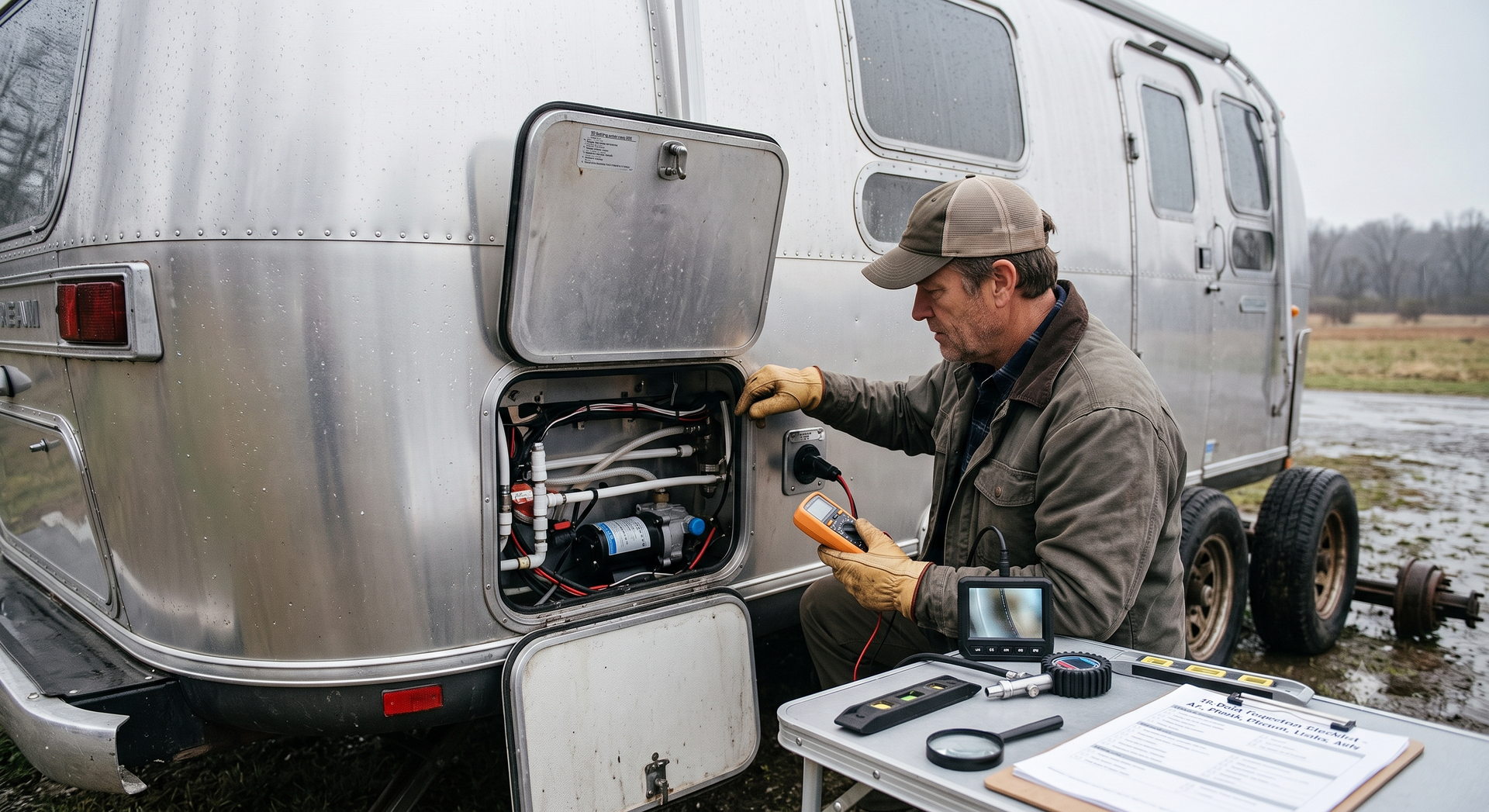

RV Refrigerator Not Cooling? Gas vs. Residential Fridge Diagnosis Guide
RV Refrigerator Not Cooling?
Gas vs. Residential Fridge Diagnosis Guide
UnderstandingAn RV refrigerator is essential for keeping food fresh and drinks cold while traveling. However, discovering that your RV refrigerator is not cooling properly can quickly turn an enjoyable road trip into a frustrating experience.
Whether you own a traditional propane-powered RV refrigerator or a modern residential refrigerator, understanding the cause of cooling problems is important. Different refrigerator systems operate differently, and each requires a specific troubleshooting approach.
If your RV fridge is running but not getting cold, the problem could be related to the power supply, propane system, ventilation, cooling unit, thermostat, or compressor.
In this guide, we'll explain how to diagnose common RV refrigerator problems, compare gas and residential refrigerator systems, identify warning signs, and understand when professional RV refrigerator repair is necessary.
the Two Main Types of RV Refrigerators
Before diagnosing an RV refrigerator that isn't cooling, it's important to understand which type of refrigerator you have.
1. Gas Absorption RV Refrigerator
A gas absorption refrigerator is commonly found in older and traditional recreational vehicles. Unlike residential refrigerators, it does not use a conventional compressor to circulate refrigerant.
Instead, it uses a combination of heat, ammonia, hydrogen, and water to create a cooling process.
These refrigerators typically operate using:
- Propane gas when electricity is unavailable.
- 120V AC power when connected to shore power.
- 12V DC power in certain models and configurations.
One major advantage is that absorption refrigerators can operate without a conventional compressor. However, they need proper ventilation and must be installed and operated according to manufacturer specifications.
2. Residential RV Refrigerator
Residential refrigerators are similar to the refrigerators used in homes. They generally rely on an electric compressor to circulate refrigerant through the cooling system.
Most residential RV refrigerators operate using 120V AC power, supplied through shore power, a generator, or an appropriately configured inverter and battery system.
Their key advantages include:
- Faster and more consistent cooling.
- Better temperature control.
- Larger storage capacity in many models.
- Familiar refrigerator technology.
- Less sensitivity to RV leveling compared with absorption refrigerators.
However, residential refrigerators depend on a reliable electrical supply and sufficient battery or generator capacity when you're traveling without shore power.
Why Is Your RV Refrigerator Not Cooling?
The troubleshooting process depends on whether you have a gas absorption refrigerator or a residential refrigerator.
Let's look at the most common problems affecting each system.
Common Gas RV Refrigerator Problems and Solutions
1. RV Is Not Properly Level
One of the most common reasons an absorption RV refrigerator stops cooling efficiently is improper leveling.
These refrigerators rely on gravity-assisted fluid circulation inside the cooling unit. Operating outside the manufacturer's specified leveling limits can interrupt circulation and potentially damage the cooling unit.
What to check:
- Park your RV on a reasonably level surface.
- Check the refrigerator's leveling requirements in the owner's manual.
- Allow the refrigerator time to stabilize after correcting the RV's position.
Avoid operating an absorption refrigerator outside its specified leveling limits.
2. Propane Supply or Burner Problems
If your RV refrigerator works on electricity but doesn't cool when running on propane, the gas supply or burner assembly may be responsible.
Common causes include:
- Low propane levels.
- Closed propane valves.
- Air in the propane line.
- Dirty or blocked burner components.
- Faulty ignition systems.
- Gas control valve problems.
What to check:
Confirm that your propane supply is available and that the refrigerator is set to gas mode correctly. Check the manufacturer's troubleshooting instructions for ignition or flame-related error codes.
Have a qualified RV technician inspect the burner, gas connections, and pressure if the refrigerator continues to malfunction.
Never attempt to troubleshoot a suspected propane leak using an open flame.
3. Blocked Refrigerator Ventilation
Gas absorption refrigerators generate heat during operation. Proper airflow through the refrigerator's exterior ventilation area is necessary to remove that heat.
Blocked vents can reduce cooling performance and cause the refrigerator to overheat.
What to check:
- Inspect the exterior refrigerator vents.
- Remove leaves, dust, and other visible obstructions.
- Check for damaged ventilation covers.
- Ensure the refrigerator installation has adequate airflow.
If cooling remains poor, a technician may need to inspect the ventilation system and cooling unit.
4. Faulty Cooling Unit
A damaged absorption cooling unit can prevent the refrigerator from maintaining the correct temperature.
Warning signs may include:
- Refrigerator and freezer compartments failing to cool.
- Unusual chemical or ammonia-like odors.
- Yellow residue around the cooling unit.
- Visible corrosion or damage.
An ammonia-like smell or yellow residue can indicate a cooling unit leak. Turn off the refrigerator, follow the manufacturer's safety instructions, ventilate the area, and arrange professional inspection.
A leaking cooling unit generally requires replacement rather than a simple adjustment.
Common Residential RV Refrigerator Problems and Solutions
1. Inadequate Electrical Supply
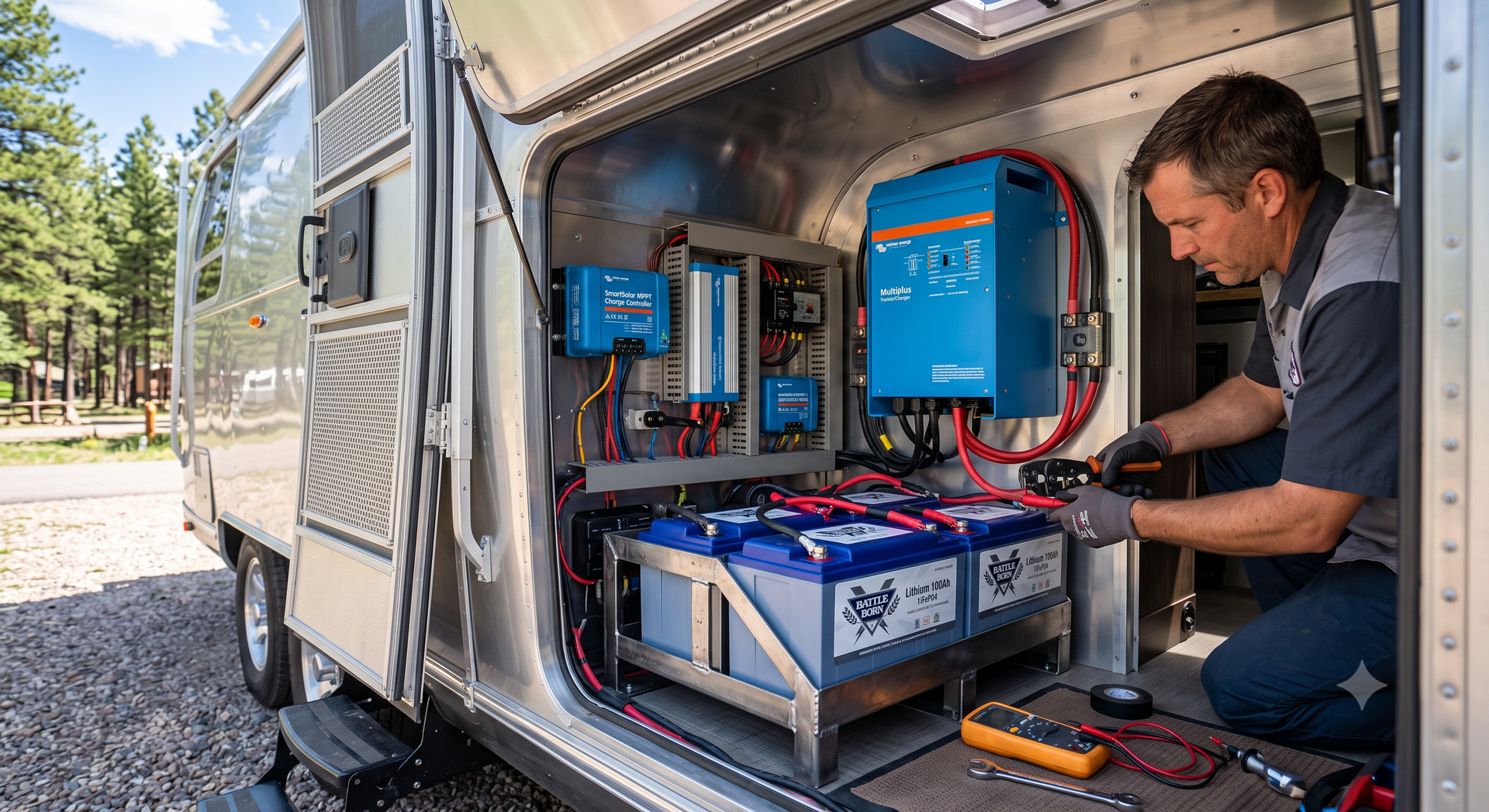
Residential RV refrigerators require a stable electrical supply to operate their compressors and control systems.
If your refrigerator suddenly stops cooling while traveling, the problem could be related to the electrical system.
Possible causes include:
- Low battery voltage.
- Inverter malfunction.
- Tripped circuit breaker.
- Loose electrical connections.
- Generator or shore power issues.
What to check:
Verify that the RV has a reliable power supply. Check the relevant circuit breakers and inspect the inverter display for warning messages.
If the refrigerator loses power repeatedly, have the electrical system tested by a qualified technician.
2. Compressor Failure
The compressor is one of the most important components of a residential refrigerator.
It circulates refrigerant throughout the cooling system, allowing heat to move away from the refrigerator compartments.
If the compressor fails, the refrigerator may stop cooling completely.
Common warning signs include:
- Refrigerator running without getting cold.
- Repeated clicking sounds.
- Compressor overheating.
- Unusual humming or buzzing.
- Refrigerator temperature continuing to rise.
A technician can test the compressor, starting components, and control board to determine whether repair or replacement is necessary.
3. Dirty Condenser Coils
Condenser coils release heat from the refrigerator. When dust and debris accumulate, the refrigerator may struggle to remove heat efficiently.
This can reduce cooling performance and increase energy consumption.
What to check:
- Locate the condenser coils according to the owner's manual.
- Inspect them for dust and debris.
- Clean accessible components using the manufacturer's recommended method.
- Make sure ventilation areas are not blocked.
Regular cleaning can help maintain cooling efficiency and reduce unnecessary strain on the refrigerator.
4. Faulty Thermostat or Temperature Sensor
A malfunctioning thermostat or temperature sensor can prevent the refrigerator from maintaining the desired temperature.
You may notice inconsistent cooling, excessive compressor operation, or food compartments that remain warmer than expected.
A professional technician can test the temperature sensors, control board, and thermostat to identify the problem.
Gas vs. Residential RV Refrigerator: Key Differences
Understanding the differences between these refrigerator systems makes troubleshooting easier.
Gas Absorption Refrigerator
- Cooling technology: Absorption cooling system.
- Main energy sources: Propane or electricity, depending on model.
- Moving parts: No conventional compressor.
- Leveling requirements: Must follow manufacturer leveling limits.
- Common issues: Burner problems, propane supply, ventilation, and cooling unit failure.
- Maintenance focus: Burner inspection, ventilation, and cooling unit condition.
Residential RV Refrigerator
- Cooling technology: Compressor-based refrigeration.
- Main energy source: Electricity.
- Moving parts: Compressor and associated components.
- Leveling requirements: Generally less sensitive to leveling.
- Common issues: Power supply, compressor, condenser airflow, and control board problems.
- Maintenance focus: Electrical supply, condenser cleanliness, and compressor performance.
Neither system is automatically better for every RV owner. Your choice depends on travel habits, available power, storage requirements, and maintenance preferences.
Step-by-Step RV Refrigerator Troubleshooting Guide
If your RV refrigerator is not cooling, follow these basic diagnostic steps before arranging repairs.
Step 1: Check the Power Supply
Determine whether your refrigerator is receiving the required electrical supply. For absorption refrigerators, check whether the system is operating correctly in the selected power mode.
Step 2: Check the Temperature Settings
Verify that the thermostat is set correctly. Avoid making repeated temperature adjustments without allowing sufficient time for the refrigerator to respond.
Step 3: Inspect the Ventilation System
Look for blocked exterior vents, accumulated dust, or anything restricting airflow around the refrigerator.
Step 4: Check the Refrigerator's Leveling Requirements
If you own an absorption refrigerator, ensure the RV is positioned within the manufacturer's specified leveling limits.
Step 5: Monitor the Internal Temperature
Use a refrigerator thermometer to measure actual temperatures instead of relying only on the control panel.
As a general food-safety guideline, keep the refrigerator at or below 40°F (4°C) and the freezer at 0°F (-18°C).
Step 6: Look for Warning Signs
Pay attention to unusual noises, error codes, repeated power interruptions, ammonia-like odors, or visible leaks.
Step 7: Contact an RV Refrigerator Technician
If the refrigerator continues to struggle with cooling, professional diagnosis can help identify the underlying issue before it becomes more expensive.
How to Prevent RV Refrigerator Cooling Problems
Preventive maintenance is one of the best ways to extend the life of your RV refrigerator.
Here are some practical maintenance tips:
- Clean refrigerator vents and accessible condenser areas regularly.
- Inspect electrical connections and power sources.
- Follow the manufacturer's leveling instructions.
- Check door seals for damage or air leakage.
- Avoid overloading the refrigerator.
- Allow sufficient cooling time before loading large quantities of food.
- Monitor refrigerator and freezer temperatures.
- Schedule periodic inspections of propane and cooling components.
- Address unusual noises, odors, and performance changes early.
A consistent maintenance routine can improve refrigerator performance, reduce unexpected breakdowns, and help protect your RV investment.
When Should You Repair or Replace Your RV Refrigerator?
Not every cooling problem requires a complete refrigerator replacement.
Minor issues, such as blocked ventilation, incorrect settings, dirty condenser coils, or electrical supply problems, may be resolved through routine maintenance or component repair.
However, replacement may be worth considering when:
- The absorption cooling unit has developed a major leak.
- The residential refrigerator has a failed compressor and repair costs are excessive.
- Replacement parts are difficult to source.
- The refrigerator has experienced repeated failures.
- The cost of repairing an older unit approaches the cost of replacement.
Before making a decision, request a professional diagnosis and compare the repair cost, replacement cost, expected lifespan, and compatibility with your RV's electrical and ventilation systems.
Final Thoughts
An RV refrigerator that isn't cooling properly can result from several different problems, and the correct diagnosis depends on the refrigerator technology.
Gas absorption refrigerators typically require attention to propane supply, ventilation, and leveling. Residential refrigerators depend more heavily on reliable electrical power, compressor performance, and proper airflow.
Understanding these differences can help you recognize early warning signs, perform basic troubleshooting, and avoid unnecessary repair expenses.
Most importantly, don't ignore cooling problems. Early diagnosis and regular maintenance can help keep your RV refrigerator operating efficiently and your next road trip running smoothly.
Frequently Asked Questions (FAQs)
1. Why is my RV refrigerator running but not cooling?
Your RV refrigerator may be running without cooling because of inadequate ventilation, a faulty thermostat, insufficient power, a damaged compressor, or a failing absorption cooling unit. The exact cause depends on the refrigerator type.
2. How long does it take for an RV refrigerator to get cold?
Many RV refrigerators need approximately 8–24 hours to reach their desired operating temperature, depending on the model, starting temperature, ambient conditions, and power source. Always follow the manufacturer's recommendations.
3. Can an RV absorption refrigerator run while driving?
Some absorption refrigerators are designed to operate while the RV is traveling, but operating requirements and restrictions vary by model, vehicle, and jurisdiction. Follow the refrigerator and RV manufacturer's instructions.
4. Why does my RV fridge work on electricity but not propane?
This usually indicates a problem with the propane supply, burner assembly, ignition system, gas valve, or associated controls. A qualified technician can inspect the gas system safely.
5. Why is my residential RV refrigerator not cooling while driving?
Possible reasons include insufficient inverter capacity, low battery voltage, electrical interruptions, or a problem with the refrigerator's power supply. Check the inverter and electrical system specifications.
6. How cold should an RV refrigerator be?
For food safety, the refrigerator compartment should remain at or below 40°F (4°C), while the freezer should ideally maintain 0°F (-18°C).
7. Is a residential refrigerator better than a gas RV refrigerator?
A residential refrigerator generally offers faster cooling and consistent temperature control, while an absorption refrigerator can operate using propane when configured for it. The better choice depends on your travel style, electrical capacity, and energy requirements.